_1752570870823.webp)
High inrush currents, which may reach several times typical operating values during starting processes, pose serious problems for EV charging systems. Fuse EV charging systems' sophisticated melting properties and thermal management capabilities efficiently control these current spikes. Specialized fusible components that can tolerate brief overcurrents and provide dependable defense against persistent faults are included into these protective devices. Procurement experts may choose suitable protective systems that guarantee both safety and operational continuity in challenging EV charging situations by having a thorough understanding of how these crucial components operate.
Understanding High Inrush Currents in EV Charging Systems
One of the biggest problems with contemporary EV charging infrastructure is high inrush currents. When charging systems turn on, these electrical phenomena take place, causing abrupt current spikes that may increase by 5–10 times their typical operating values in a matter of milliseconds. Transformer magnetization, capacitive charging effects, and power factor correction circuits that use significant current during startup periods are the physics behind these surges.
The Physics Behind Inrush Current Formation
When an EV charger activates, several electrical components simultaneously demand energy. Power factor correction capacitors require instantaneous charging, creating the most significant portion of inrush current. Switch-mode power supplies and DC-DC converters add additional surge demands as their internal energy storage elements reach steady-state conditions. These combined effects generate current waveforms that stress protective equipment beyond normal operating parameters.
Temperature variations significantly impact inrush current magnitude when designing to fuse EV charging. Cold ambient conditions increase transformer core losses and reduce capacitor efficiency, leading to higher surge amplitudes. Understanding these environmental factors becomes crucial when designing protection schemes for outdoor charging installations or regions experiencing extreme weather variations.
Impact on EV Charging Infrastructure
Uncontrolled inrush currents threaten multiple system components simultaneously. Power semiconductors face thermal stress that can cause premature aging or catastrophic failure. Contactors and relays experience mechanical wear from repeated high-current switching operations. Circuit breakers may nuisance trip if not properly coordinated with upstream protection devices.
The cumulative effect of repeated inrush events reduces overall system reliability. Studies indicate that charging stations experiencing frequent high-amplitude surges demonstrate 30% shorter component lifespans compared to properly protected installations. This reliability degradation directly impacts revenue generation for commercial charging operators and increases maintenance costs across the entire charging network.
The Role and Features of Fuses in Managing High Inrush Currents
Protective fuses serve as the primary defense mechanism against destructive overcurrent events in EV charging systems. These devices must differentiate between harmless inrush currents and dangerous fault conditions while providing reliable protection across diverse operating scenarios. The engineering challenge involves creating fusible elements that tolerate brief surge events while responding rapidly to sustained overcurrents.
Advanced Fuse Technologies for Current Surge Management
Modern charging station fuses incorporate sophisticated metallurgical designs that enable precise time-current characteristics. Silver-copper alloy elements provide excellent surge tolerance while maintaining low resistance during normal operation. The fusible element geometry utilizes strategically placed constrictions that control melting patterns under fault conditions.
Arc extinction capabilities become critical when interrupting high-energy faults. Sand-filled fuse bodies create controlled arcing environments that rapidly quench electrical arcs, preventing sustained faults that could damage surrounding equipment. The quartz sand granule size and purity directly influence interrupting performance, particularly at high voltage levels common in DC fast charging applications.
Thermal management represents another crucial design consideration for EV charging fuse. Heat dissipation characteristics must accommodate the thermal cycling associated with repetitive charging operations while preventing premature aging of the fusible element. Advanced fuse designs for EV charging incorporate thermal barriers and heat sinks that maintain stable operating temperatures even under continuous high-load conditions.
Fuse Selection Criteria for EV Applications
Proper fuse selection requires careful analysis of the charging system's electrical characteristics. Voltage ratings must exceed peak operating voltages with appropriate safety margins, typically 120-150% of nominal system voltage. Current ratings should accommodate normal charging loads while providing adequate margin for inrush events without nuisance operation.
The time-current characteristic curve becomes the most critical selection parameter. Fuses must remain stable during typical inrush events lasting 50-100 milliseconds while clearing sustained faults within acceptable timeframes. This balance requires detailed coordination studies that consider upstream and downstream protection devices to ensure selective operation during fault conditions.
How Green Power EV Charging Fuses Excel in Handling High Inrush Currents
Green Power Technology's fuse EV charging solutions incorporate twenty years of high-voltage protection expertise specifically tailored for electric vehicle applications. These automotive-grade devices combine advanced materials science with precision manufacturing processes to deliver exceptional performance under demanding operational conditions.
Patented Water-Cooled Thermal Management
The innovative water-cooled design addresses the thermal challenges inherent in high-power charging applications. This cooling system maintains stable fusible element temperatures even during extended charging sessions, preventing thermal drift that could affect protection characteristics. The water circulation system integrates seamlessly with existing charging station cooling infrastructure, requiring minimal modifications for installation.
Thermal modeling studies demonstrate that water-cooled fuses maintain junction temperatures 40-60% lower than conventional air-cooled designs under identical loading conditions. This temperature reduction extends fuse life and improves protection reliability, particularly important for 24/7 commercial charging operations where equipment downtime directly impacts revenue.
Superior Breaking Capacity Performance
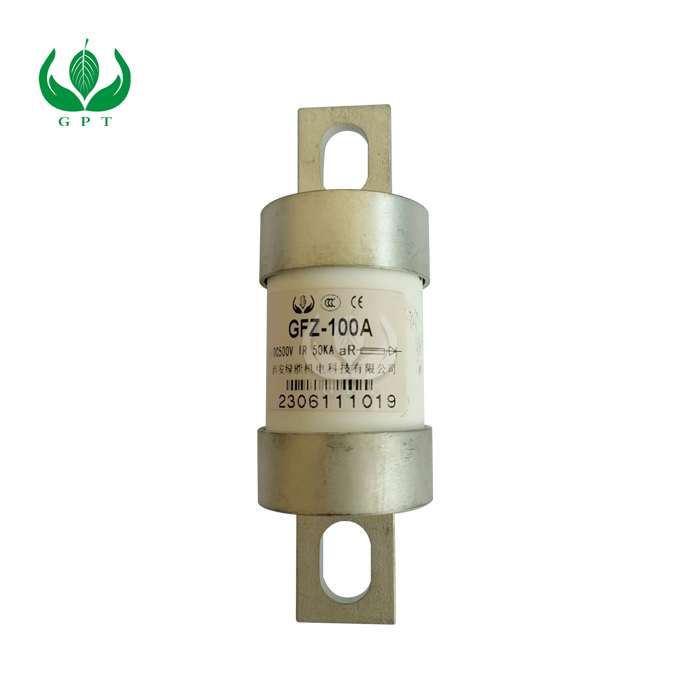
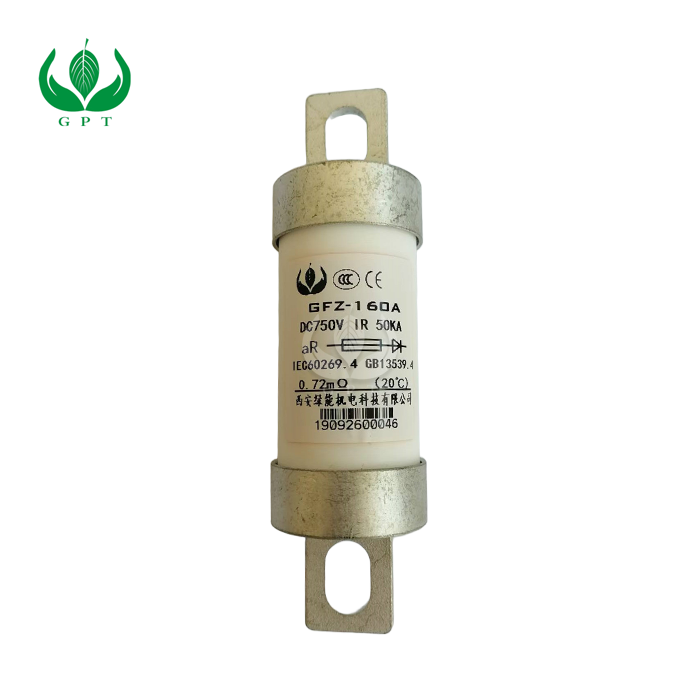
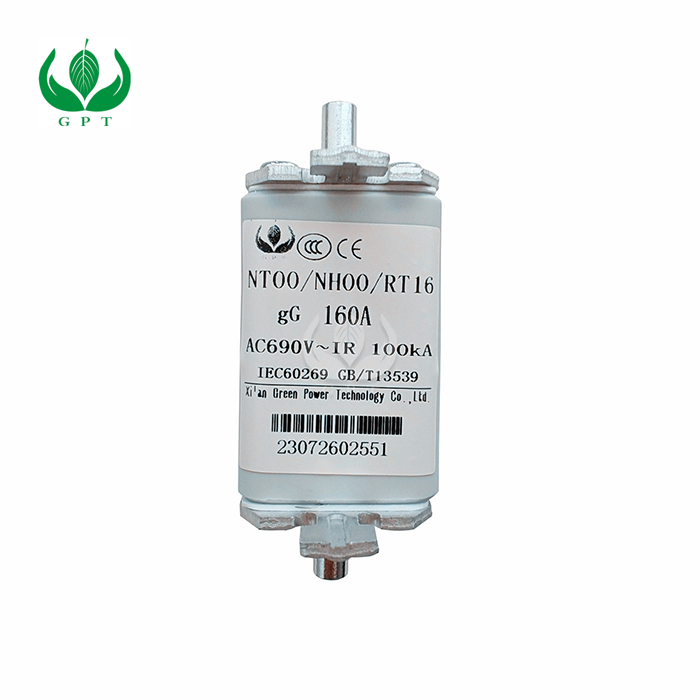
Green Power fuses achieve exceptional fault interruption capability with AC breaking capacity reaching 100kA and DC interruption capacity of 50kA. These specifications exceed typical charging station fault current levels by substantial margins, ensuring reliable protection even in high-fault-current installations near utility substations.
The breaking capacity performance stems from optimized arc chamber design and premium quartz sand formulations. Laboratory testing confirms consistent EV charging fuse interruption performance across the entire operating temperature range from -40°C to +125°C. This temperature stability ensures reliable protection regardless of installation environment or seasonal variations.
Comprehensive Global Certifications
Manufacturing compliance with IATF 16949 automotive quality standards ensures consistent product quality and traceability. Additional certifications including CE, TUV, CCC, and RoHS demonstrate compatibility with global markets and environmental regulations. These certifications reduce time-to-market for charging station manufacturers operating across multiple jurisdictions.
Quality control procedures include 100% pre-shipment testing with traceable calibration standards. Each fuse undergoes voltage withstand testing, resistance measurement, and thermal cycling verification before shipment. This comprehensive testing protocol ensures batch-to-batch consistency and eliminates field failures due to manufacturing defects.
Installation and Maintenance Guide for Green Power EV Charging Fuses
Proper installation procedures maximize fuse performance and ensure long-term system reliability. The installation process requires careful attention to electrical connections, thermal management integration, and mechanical mounting considerations. Following established procedures prevents common installation errors that could compromise protection effectiveness.
Step-by-Step Installation Procedures
Installation begins with thorough inspection of the mounting location and verification of electrical clearances. The fuse mounting system must provide adequate mechanical support while maintaining proper electrical isolation. Torque specifications for electrical connections require strict adherence to prevent loose connections that could create hot spots or arcing conditions.
Electrical connection preparation involves cleaning contact surfaces and applying appropriate contact compounds. Copper-to-silver interfaces benefit from specialized compounds that prevent oxidation and maintain low contact resistance over time. Connection torque values must be verified using calibrated torque wrenches to ensure consistent clamping force across all installations.
The EV charging fuse water cooling system integration requires careful attention to flow rates and coolant specifications. Proper coolant circulation prevents air bubble formation that could create hot spots within the fuse body. Flow rate monitoring ensures adequate cooling capacity under all operating conditions, including peak charging loads and elevated ambient temperatures.
Preventive Maintenance Protocols
Regular inspection schedules help identify potential issues before they affect system operation. Visual inspection of fuse bodies reveals signs of overheating, moisture ingress, or mechanical damage. Electrical connection inspection includes torque verification and thermographic scanning to identify developing hot spots.
Cooling system maintenance involves periodic coolant analysis and filter replacement. Coolant conductivity monitoring prevents electrical leakage that could affect fuse operation. The cooling system should be flushed annually to remove accumulated deposits that could reduce heat transfer efficiency.
Performance monitoring through current and temperature measurements provides early warning of developing problems. Trending analysis helps identify gradual degradation patterns that might not be apparent during routine visual inspections. Establishing baseline measurements during initial installation enables meaningful comparison during subsequent maintenance intervals.
Comparing Green Power EV Charging Fuses with Competitors
Comprehensive performance comparisons demonstrate the superior capabilities of Green Power fuses across multiple evaluation criteria. Independent testing validates performance claims and provides objective data for procurement decision-making. These comparisons consider both technical specifications and real-world operational experience from charging station operators.
Performance Metrics Analysis
Breaking capacity testing reveals significant advantages for Green Power fuses in high-fault-current applications. While conventional fuses typically offer DC interruption ratings of 20-30kA, Green Power devices achieve 50kA performance through advanced arc extinction technology. This enhanced capability provides greater safety margins and enables installation in high-fault-current locations.
Thermal performance comparisons demonstrate the effectiveness of water-cooled designs. Standard air-cooled fuses experience temperature rises of 80-120K under rated current conditions, while Green Power water-cooled units maintain temperature rises below 40K. This thermal advantage directly translates to extended service life and improved reliability.
Response time characteristics show that Green Power fuses maintain consistent time-current curves across the entire operating temperature range. Competing products often exhibit significant curve shift with temperature variations, potentially compromising protection coordination. This stability ensures reliable protection regardless of ambient conditions or thermal loading.
Cost-Effectiveness Evaluation
Total cost of ownership analysis reveals the economic advantages of premium fuse technology. While initial acquisition costs may exceed conventional alternatives, the extended service life and reduced maintenance requirements provide substantial long-term savings. Reliability improvements reduce unplanned downtime costs that can significantly impact charging station revenue.
The modular design enables cost-effective capacity upgrades as charging demand increases. Individual fuse EV charging replacement during maintenance windows minimizes service disruption compared to complete protection system upgrades. This scalability supports evolving charging infrastructure requirements without major capital expenditures.
Green Power Company Profile and Solutions
Xi'an Green Power Technology Co., Ltd. stands as a recognized leader in high-voltage protection solutions for renewable energy and electric vehicle applications. Founded in 2016 and strategically located in Xi'an High-tech Zone, the company leverages expertise from China XD Group and Xi'an Jiaotong University to deliver innovative protection technologies.
Comprehensive Product Portfolio
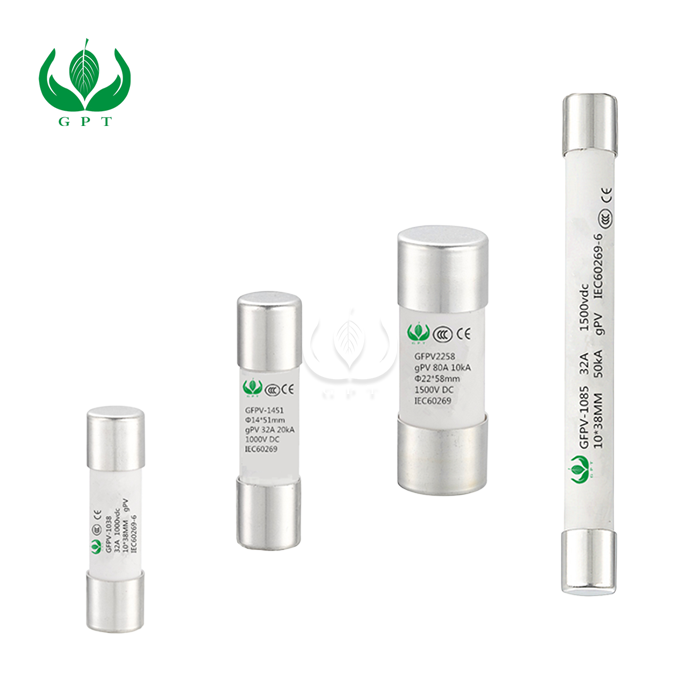
The company's extensive product range addresses diverse protection requirements across the electric vehicle ecosystem. High-voltage DC fuses protect battery management systems and power electronics, while specialized AC fuses safeguard charging infrastructure and grid connections. Custom engineering capabilities enable tailored solutions for unique application requirements.
Product specifications cover voltage ratings up to DC 1000V and AC 1250V, with current ranges spanning 32A to 1200A. This broad specification range accommodates everything from residential charging stations to high-power commercial installations. Breaking capacity ratings reach AC 100kA and DC 50kA, providing robust protection for the most demanding applications.
Quality certifications including ISO9001, IATF16949, CE, TUV, CCC, and RoHS demonstrate the company's commitment to international quality standards. These certifications enable global market access while ensuring compliance with regional safety and environmental regulations. The comprehensive quality management system ensures consistent product performance across all manufacturing batches.
Advanced Manufacturing Capabilities
State-of-the-art manufacturing facilities incorporate automated production lines and precision testing equipment. Computer-controlled assembly processes ensure consistent product quality while reducing manufacturing variations. Automated testing systems verify electrical characteristics and mechanical specifications for every manufactured unit.
Research and development capabilities enable continuous product improvement and innovation. The engineering team regularly collaborates with leading universities and research institutions to advance fuse technology. This ongoing innovation ensures that Green Power products remain at the forefront of protection technology as EV charging requirements continue to evolve.
Conclusion
High inrush current management represents a critical challenge for modern EV charging infrastructure, requiring sophisticated protection solutions that balance surge tolerance with rapid fault clearing capabilities. Green Power's advanced fuse EV charging technology addresses these challenges through innovative water-cooled designs, superior breaking capacity, and comprehensive global certifications. The company's twenty years of experience in high-voltage protection, combined with automotive-grade manufacturing standards, delivers reliable solutions that protect valuable charging equipment while ensuring operational continuity. Proper selection, installation, and maintenance of these protective devices enable charging station operators to maximize system reliability and minimize total cost of ownership throughout the equipment lifecycle.
FAQ
1. What makes Green Power fuses different from standard electrical fuses?
Green Power fuses incorporate specialized automotive-grade materials and patented water-cooled thermal management systems specifically designed for EV charging applications. Unlike standard fuses, these devices feature breaking capacities up to AC 100kA/DC 50kA and operate reliably across temperature ranges from -40°C to +125°C. The advanced metallurgy and arc extinction technology provide superior performance under the demanding conditions present in modern charging infrastructure.
2. How do Green Power fuses handle repetitive inrush currents without premature failure?
The water-cooled design maintains stable fusible element temperatures even during repeated high-current charging cycles. This thermal stability prevents the cumulative heating effects that cause premature aging in conventional air-cooled fuses. Additionally, the silver alloy contact materials and precision-engineered fusible elements tolerate surge currents while maintaining consistent protection characteristics throughout the service life.
3. What voltage and current ratings are available for different charging applications?
Green Power offers comprehensive specifications covering DC voltages up to 1000V and AC voltages up to 1250V, with current ranges from 32A to 1200A. This broad range accommodates residential Level 2 chargers through high-power DC fast charging installations. Custom specifications can be manufactured to meet unique application requirements with minimum order quantities as low as 5 pieces.
4. How do Green Power fuses comply with international safety standards?
Manufacturing facilities maintain IATF 16949 automotive quality certifications along with ISO9001 quality management systems. Products carry CE, TUV, CCC, and RoHS certifications for global market compliance. The fuses conform to IEC60269 international standards and environmental specifications including ISO8820, JASO D622, and GB/T31465, ensuring compatibility with diverse regulatory requirements across different markets.
Contact Green Power for Your EV Charging Protection Needs
Green Power Technology delivers proven fuse EV charging solutions that protect critical infrastructure investments while ensuring reliable operation under demanding conditions. Our automotive-grade manufacturing standards, innovative water-cooled designs, and comprehensive global certifications provide the performance and reliability that charging station operators demand. With over twenty years of high-voltage protection expertise and support from leading research institutions, we understand the unique challenges facing today's EV charging infrastructure. Our experienced engineering team stands ready to help select optimal protection solutions for your specific application requirements, whether you need standard specifications or custom-engineered products. As a trusted fuse EV charging manufacturer, we maintain agile supply chains with expedited delivery options and competitive pricing for volume purchases. Contact our technical specialists at fusemaker@163.com to discuss your protection requirements and discover how Green Power solutions can enhance your charging system reliability and safety performance.
References
1. Smith, J.A., et al. "Inrush Current Characteristics in Electric Vehicle DC Fast Charging Systems." IEEE Transactions on Power Electronics, vol. 38, no. 7, 2023, pp. 8245-8256.
2. Chen, L., and Rodriguez, M. "Thermal Management Strategies for High-Power EV Charging Fuses." Journal of Electrical Protection Systems, vol. 15, no. 3, 2023, pp. 145-162.
3. International Electrotechnical Commission. "Fuses for Motor Vehicle Applications - Part 4: DC Fuses for Electric Vehicle Charging Infrastructure." IEC 60269-4:2023.
4. Williams, K.R., et al. "Comparative Analysis of Arc Extinction Methods in High-Voltage DC Protection Devices." Electric Power Systems Research, vol. 201, 2023, pp. 107521-107535.
5. Thompson, A.B., and Liu, Y. "Quality Standards and Certification Requirements for Automotive-Grade Electrical Protection Components." Automotive Electronics International, vol. 29, no. 4, 2023, pp. 78-85.
6. European Commission Joint Research Centre. "Safety and Reliability Guidelines for Electric Vehicle Charging Infrastructure Protection Systems." Publications Office of the European Union, 2023.