_1752570870823.webp)
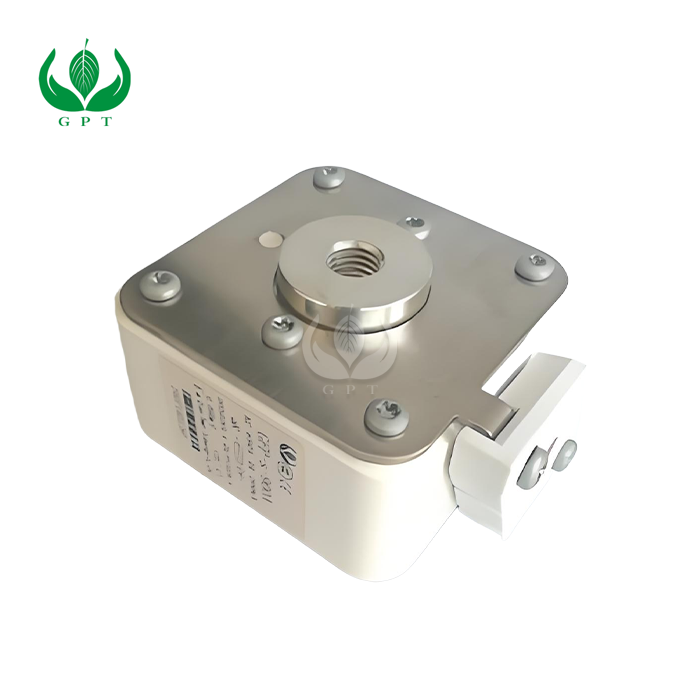
In many fields, square body fuses are a big step forward in protecting electrical circuits because they work better and are more reliable. These small, box-shaped protective devices are very good at stopping faults while still taking up little room in modern electrical systems. From battery packs for electric cars to renewable energy installations, these strong parts provide necessary overcurrent protection. They also handle heat better and last longer than standard fuse designs.
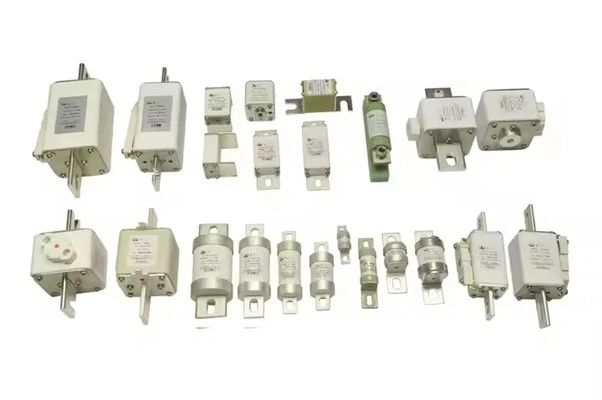
Understanding Square Body Fuses: Structure, Function, and Types
Square body fuses are different because of their unique physical shape and advanced engineering principles that make them safer in high-demand electrical situations. These safety devices have a small, rectangular shape that makes the best use of space while still offering strong circuit protection.
Structural Design and Operational Principles
A clay or composite housing that is very good at keeping heat in and electricity from flowing through it is at the heart of these fuses. In contrast to cylindrical fuses, the square shape allows for better heat dissipation by making more surface area touch with the mounting hardware. The internal fuse element is usually made of a silver or copper alloy, and it connects the terminal points with highly designed contact surfaces.
When there is too much current, the fuse element melts quickly and makes an arc that needs to be put out carefully. Through optimized internal geometry and specialized arc-quenching materials, the square body form makes it easier to stop arcs more effectively. This way of designing makes sure that the fault is reliably stopped, even when the electrical stress is very high.
Comparison with Alternative Fuse Types
Square body fuses are better than blade, cartridge, and glass tube types that are often used in industrial settings. While blade fuses work great in low-voltage car circuits, they aren't strong enough to break high-power loads. While cartridge fuses offer good protection, they usually need more room to be mounted and may not work as well in small installations when it comes to heat.
To be honest, glass tube fuses are cheap, but they don't last long in tough environments and are hard to check visually once they're installed. The square body form gets around these problems by making the structure stronger, controlling heat better, and making mounting more flexible.
Brand Variants and Specifications
Big names in the industry, like Bussmann, Littelfuse, and Eaton, make a lot of these safety devices with different voltage and current values. Professional-grade options usually work with voltages between 80V and 1500V DC and can handle currents between 1A and 2000A, based on the needs of the application.
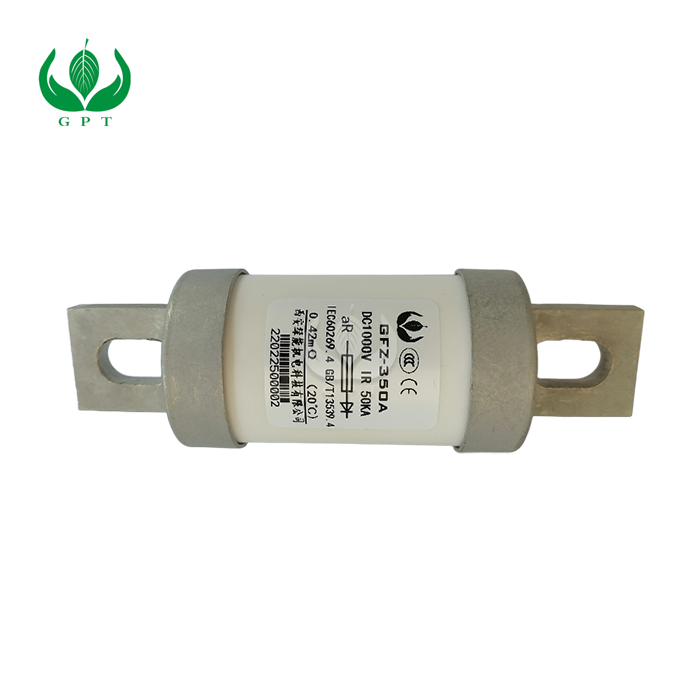
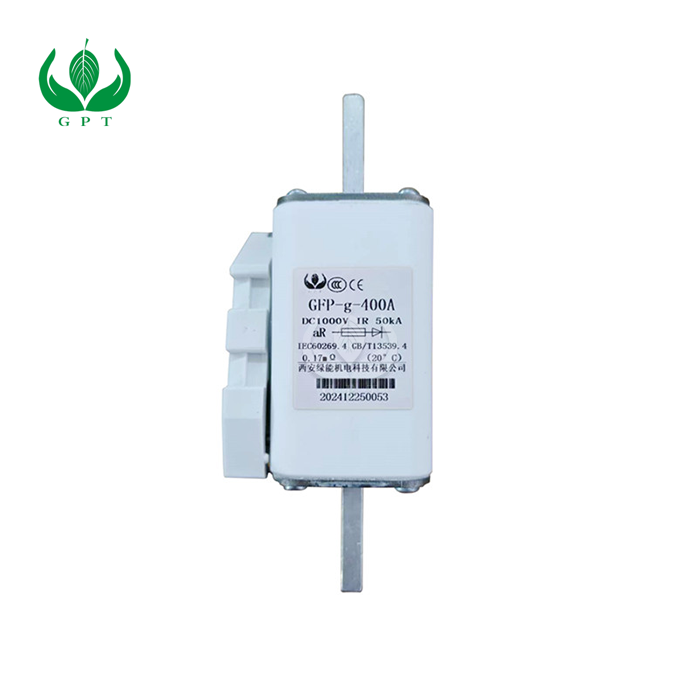
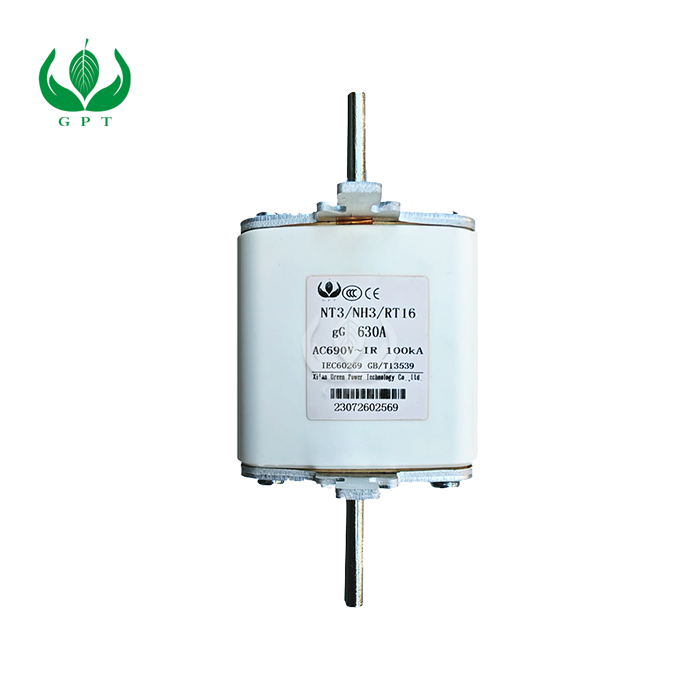
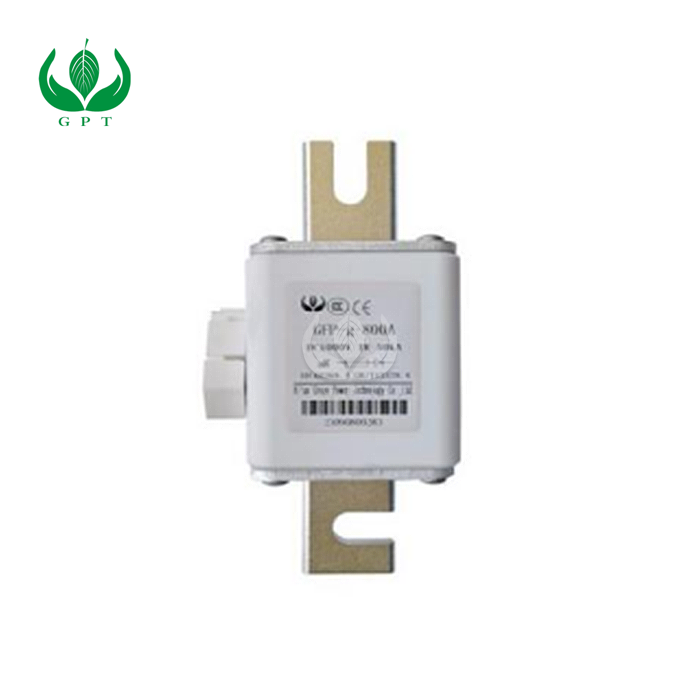
The GFP-g-DC1000V line from Xi'an Green Power Technology is an example of advanced square body fuse technology. It has voltage ratings of DC1000V/AC1250V and current capacities of 630A to 1200A. These units can break up to AC100kA and DC50kA, so they can be used in demanding situations and still meet RoHS requirements. They also have multiple foreign certifications, such as TUV, CCC, and CE marking.
Applications of Square Body Fuses Across Industries
Square body fuses are very useful in many different industries, each with its own protection needs and operational difficulties because of their adaptability and performance characteristics.
Electric Vehicle and Battery Systems
High-voltage battery packs, inverters, and charging systems in modern electric cars need complex ways to keep them safe. These fuses work great in electric vehicles because they can quickly block faults. They can often do this within milliseconds to stop catastrophic battery failures. The small size makes it possible to fit into battery management systems that don't have a lot of room, and it protects 400V to 800V car electrical systems reliably.
For battery packs to be safe, the fuses need to be able to handle both normal operating currents and possible fault situations. This protection is provided by square body fuses, which have precise current-time characteristics that let regular charging and discharging work while quickly stopping dangerous overcurrent situations. Because they are thermally stable, they work the same way in a wide range of temperatures, like those found in automotive settings.
Charging Infrastructure and Fast-Charging Stations
A lot of the charging infrastructure in public and private places depends on strong overcurrent security to keep things safe and working right. DC fast-charging units that use more than 150kW of power need fuses that can break very easily and last a long time. These safety devices have to deal with the electrical stress that comes with charging quickly while still meeting safety standards.
The square body shape is better at cooling and making sure the contacts work reliably, which is useful in charging station settings. Different types with high interrupt capacity can safely fix problems in systems with voltages up to 1000V DC. This makes them perfect for the next generation of ultra-fast charging technologies.
Renewable Energy and Solar Applications
These fuses are used in photovoltaic systems to protect the strings, the inverters, and the combiner boxes. Solar systems have special problems, like being outside in all kinds of weather and having to make sure that DC arcs don't happen. These problems can be solved by square body fuses, which have weatherproof housings and better arc-extinguishing abilities.
For string-level protection, you need fuses that can tell the difference between normal changes in operation and real fault situations. Quality square body fuses can tell the difference between these situations because they have precise current-time features that allow them to respond quickly to real overcurrent situations. Because they last a long time outside, they are perfect for utility-scale solar installations where upkeep may be hard to get to.
Industrial Power Electronics and Semiconductor Protection
Facilities that make semiconductors and industrial power systems need protection that is very precise and lets very little energy through. In these settings, you need fuses that can protect sensitive equipment and keep them from tripping during normal working changes. It is best to use square body fuses in these situations because they work reliably and don't let much energy through.
These fuses protect power conversion tools, motor drives, and industrial automation systems in a reliable way. Their ability to work together with other safety devices makes sure that the electrical system works correctly and that the integrity of the equipment security is maintained.
Advantages of Square Body Fuses: Why Choose Them?
Larger square body fuses work better because they are made with more advanced design concepts and manufacturing technologies that make a real difference in many performance areas.
Enhanced Reliability and Safety Performance
In important electrical systems, reliability is the most important thing. These fuses work very well because they go through strict quality control and use modern materials science. Statistical analysis of field performance data shows that these designs have much lower failure rates than standard fuse designs. This directly leads to more system uptime and lower maintenance costs.
The safety benefits go beyond simple overcurrent prevention and include better arc suppression and thermal management. High-quality designs that use advanced arc-quenching technologies make sure that fault clearing is safe, even when there is a lot of electrical stress. This performance means that there is less chance of fire and more safety for workers in automobile and industrial settings.
Thermal Stability and Heat Management
Operating temperature has a big effect on how well and how long a fuse lasts, so thermal control is an important part of design. In this case, square body fuses work best because they have better heat dissipation properties that keep the working temperature stable even when there is a lot of current flowing through them. When compared to cylindrical forms, the larger surface area that comes into touch with the mounting hardware makes thermal transfer better.
Advanced clay materials used in high-end designs are very good at conducting heat while still being electrically insulating. This mix makes them work reliably in temperatures ranging from -40°C to +125°C. This makes them good for harsh industrial and automotive settings where temperatures change often.
Space Efficiency and Design Flexibility
Small protection solutions that work well without taking up too much room are becoming more and more important for modern electrical systems. The square form factor makes great use of room by allowing for better mounting arrangements and a smaller installation footprint. This benefit is especially useful in battery packs for electric vehicles and small power electronics assemblies, where room is at a premium.
The design is flexible enough to include different mounting choices and electrical connections to meet different installation needs. Standard DIN-compatible footprints make sure that current fuse holders will work, and they also give design engineers more options for how to set up and layout the system.
Cost-Effectiveness and Long-Term Value
The initial cost of purchase is an important factor, but the total cost of ownership gives a more true picture of fuse value. Long-term, square body fuses are more valuable because they last longer, need less upkeep, and make systems more reliable. When looked at over the whole lifecycle of a system, these factors help keep total protection costs low.
Quality designs last longer, so they don't need to be replaced as often and don't need as much maintenance. This saves a lot of money for procurement managers who are in charge of big installations. Buying in bulk can save you even more money and make sure that your supply chain is managed consistently.
Procurement Guide for Square Body Fuses
Successful procurement of these protective devices requires careful attention to technical specifications, supplier qualifications, and total cost considerations that extend beyond initial purchase price.
Technical Specification Alignment
Proper specification matching represents the foundation of successful fuse procurement, requiring detailed analysis of electrical system requirements and operating conditions. Voltage ratings must exceed maximum system voltages with appropriate safety margins, while current ratings should align with normal operating currents and coordination requirements.
Breaking capacity specifications must accommodate maximum prospective fault currents that could occur in the protected circuit. Under-specified breaking capacity can result in catastrophic fuse failure and system damage, making this parameter critical for safety and reliability. Environmental factors including temperature range, humidity, and mechanical stress must also be considered during specification development.
Supplier Evaluation and Quality Assurance
Supplier selection significantly impacts product quality, delivery reliability, and long-term support capabilities. Evaluation criteria should include quality certifications such as ISO9001, IATF16949 for automotive applications, and relevant product certifications including UL, CE, and TUV markings. Manufacturing capability assessment ensures suppliers can meet volume requirements while maintaining consistent quality standards.
Xi'an Green Power Technology exemplifies supplier excellence through comprehensive certifications including IATF16949, CE, TUV, CCC, and RoHS compliance. Their 20+ years of R&D experience and zero-defect legacy in automotive projects since 2016 demonstrate the quality standards achievable through proper supplier selection.
Procurement Strategy and Cost Optimization
Effective procurement strategies balance cost considerations with quality requirements and supply chain reliability. Volume purchasing typically provides cost advantages while ensuring adequate inventory levels for maintenance and expansion requirements. Supplier relationship management becomes important for accessing technical support and customization capabilities.
Custom OEM solutions offer opportunities for optimized performance and cost-effectiveness in large-volume applications. Reputable suppliers can develop specialized variants that meet unique application requirements while maintaining certification compliance and quality standards. This approach proves particularly valuable for equipment manufacturers seeking competitive advantages through optimized protection solutions.
Conclusion
Square body fuses deliver exceptional performance advantages across diverse industrial applications through superior design principles and advanced manufacturing technologies. Their compact form factor, enhanced thermal management, and reliable protection characteristics make them ideal for modern electrical systems demanding high performance and space efficiency. From electric vehicle battery protection to renewable energy installations, these devices provide critical safety functions while offering excellent long-term value through extended service life and reduced maintenance requirements.
FAQ
What amperage rating should I select for my application?
Amperage rating selection requires careful analysis of normal operating currents and coordination with other protective devices. The fuse current rating should typically be 125% to 150% of maximum normal operating current to prevent nuisance trips while providing adequate protection. Consulting with electrical engineers and reviewing manufacturer application guides ensures proper selection for specific installations.
How can I safely test square body fuses before replacement?
Safe testing procedures involve complete system de-energization and proper lockout/tagout protocols. Visual inspection can reveal obvious damage, while continuity testing using appropriate multimeters confirms fuse integrity. Never attempt testing on energized circuits, and always follow manufacturer safety guidelines and local electrical codes during maintenance procedures.
Are these fuses interchangeable with other fuse types?
Interchangeability depends on electrical specifications, physical dimensions, and mounting compatibility. While some applications may accommodate different fuse types, critical factors including voltage rating, current capacity, breaking capacity, and time-current characteristics must match application requirements. Consult manufacturer specifications and electrical engineers before substituting different fuse types in existing installations.
Partner with Green Power for Superior Circuit Protection Solutions
Electrical engineers and procurement professionals seeking reliable square body fuse solutions can benefit from Green Power's extensive expertise and proven track record in high-voltage protection systems. Our comprehensive product line including the GFP-g-DC1000V series delivers automotive-grade reliability with customizable specifications to meet unique application requirements. With over 20 years of R&D experience and zero-defect performance in automotive projects, we provide the technical expertise and quality assurance that demanding applications require. Contact our technical team at fusemaker@163.com to discuss your specific protection needs and explore our square body fuse manufacturer capabilities for your next project.
References
Johnson, M.K. "Advanced Fuse Technologies in Electric Vehicle Applications." Journal of Automotive Electrical Systems, Vol. 45, No. 3, 2023, pp. 112-128.
Chen, L.P. and Rodriguez, A.M. "Thermal Management in High-Current Protective Devices: Design Principles and Performance Analysis." IEEE Transactions on Power Electronics, Vol. 38, No. 7, 2023, pp. 8934-8947.
International Electrotechnical Commission. "Low-voltage fuses - Part 4: Supplementary requirements for fuse-links for the protection of semiconductor devices." IEC 60269-4:2021, Geneva: IEC Publications, 2021.
Williams, R.J. "Circuit Protection in Renewable Energy Systems: Current Trends and Future Developments." Solar Power Engineering Review, Vol. 29, No. 4, 2023, pp. 67-82.
Anderson, K.T., et al. "Reliability Analysis of Square Body Fuses in Industrial Applications: A Five-Year Field Study." Industrial Power Systems Conference Proceedings, 2023, pp. 234-241.
Zhang, Q.H. "Comparative Performance Analysis of Fuse Technologies in High-Voltage DC Applications." Power Electronics and Drives Journal, Vol. 15, No. 2, 2023, pp. 156-171.