_1752570870823.webp)
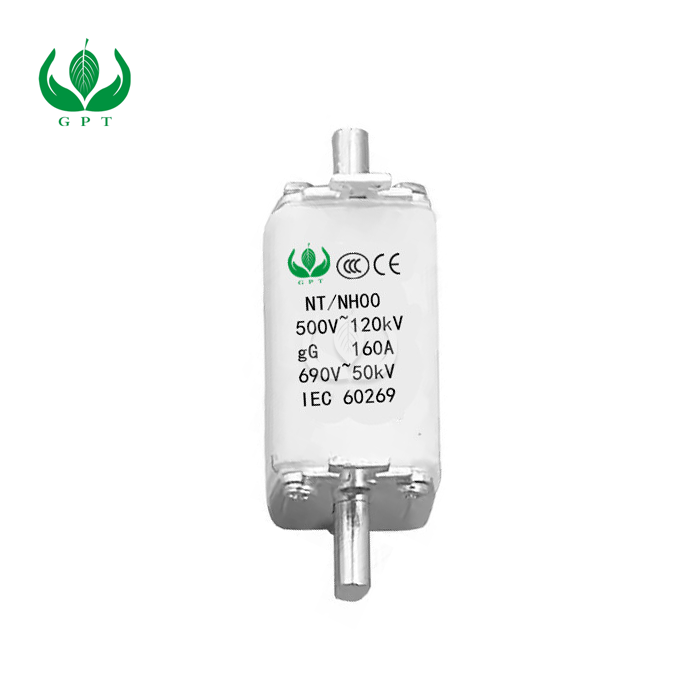
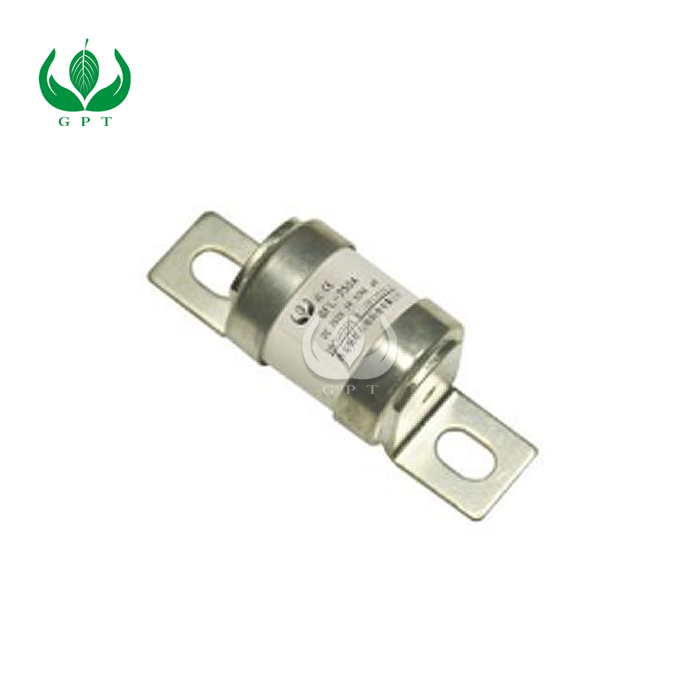
Transformer safety fuses are very important for keeping power systems safe from breakdowns that could be very damaging. Even though they're important, these fuses can sometimes fail, which costs money and damages equipment. Figuring out why transformer protection fuses fail and taking steps to keep them from failing are important for keeping the power system that people rely on working well. This piece talks about the most recent advances in fuse technology that help protect the whole system. It also talks about the most common reasons fuses fail and how to keep them from failing.

Common Causes of Transformer Protection Fuse Failures
Electrical Overload and Short Circuits
An electrical overload is one of the main reasons why transformer protection fuses fail. When the current through the fuse is higher than its stated capacity for a long time, it can melt the fuse element early. This often happens because of sudden spikes in power demand or broken tools that draw too much current.
Short circuits are another big problem. If the fuses aren't designed correctly for the system's possible fault currents, these quick high-current events can overwhelm them. Sometimes, a short circuit can heat things up so quickly that the fuse can't cut off the current in time, which causes failure.
Environmental Factors
The performance and lifespan of a fuse depend heavily on the environmental factors. Extreme heat and cold, high humidity, and atmospheres that eat away at materials can all cause fuses to fail before they're supposed to. For example, high temperatures can lower a fuse's ability to carry current, which makes it more likely to trip or fail under regular conditions.
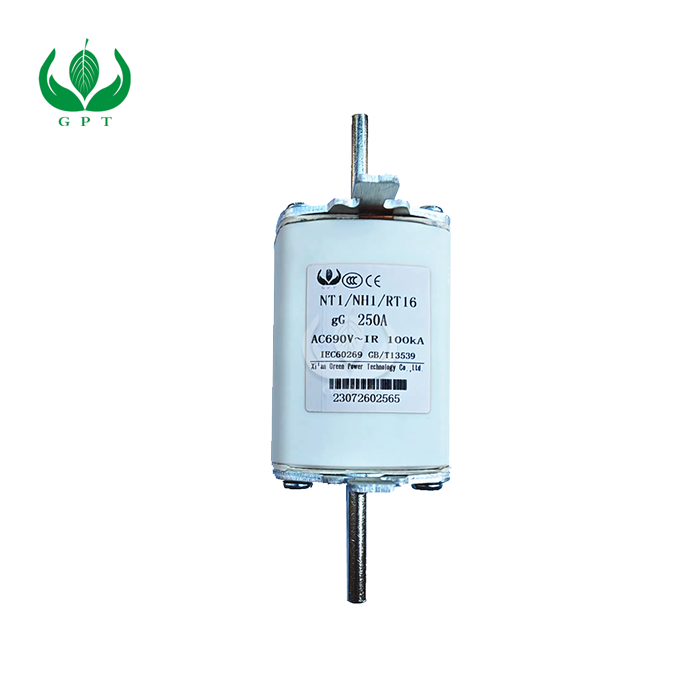
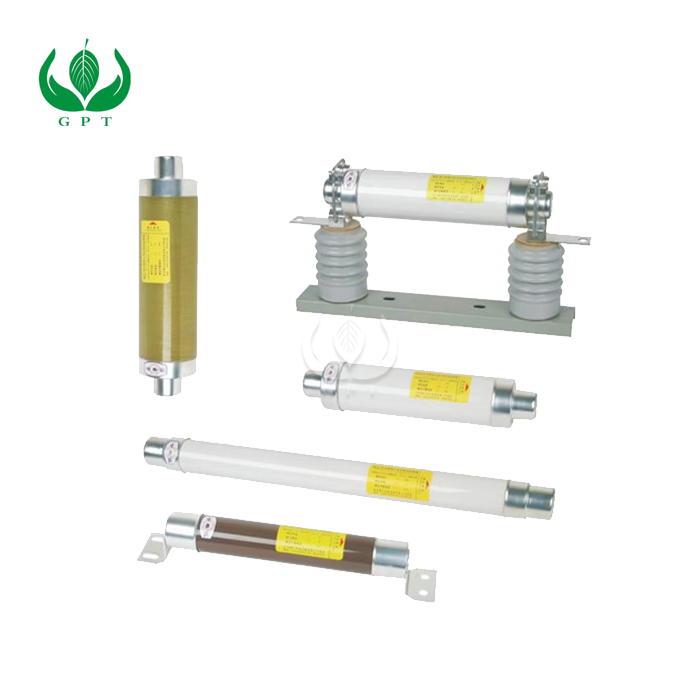
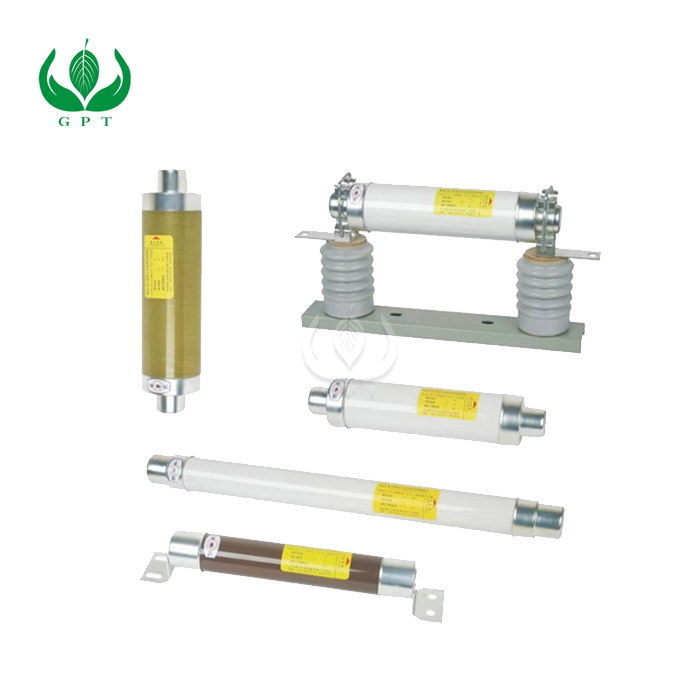
For high voltage HRC fuse used in outdoor locations, moisture entry is especially problematic. Water can break down a fuse's insulation materials and electrical parts over time, making it less able to work when it's needed.
Aging and Fatigue
Transformer protection fuses age and wear out over time, just like all electrical parts. Thermal cycle, or the burning and cooling that happens during regular operation), can make the fuse element metal wear. This loss of strength can finally cause failure, even when things are working normally.
Also, the slow breakdown of the materials used in fuses, like ceramics in high-voltage fuses, can affect how well the fuse stands up to the very high temperatures and pressures that happen when a fault is interrupted.
Preventive Measures to Enhance Fuse Reliability
Proper Fuse Selection and Sizing
Choosing the right switch for the job is very important to keep things from breaking down. This means looking at more than just the voltage and current values. It also means looking at the equipment that needs to be secured and the possible problem currents in the system. For transformer protection, it is important to pick fuses with the right time-current features that work well with other protective devices in the network.
To make sure that the chosen fuses can handle the highest potential fault currents, engineers need to do in-depth system studies. Some people might think that using oversize fuses is a safe thing to do, but this can actually leave the equipment poorly protected and cause damage.
Regular Inspection and Maintenance
A solid check and repair schedule is the best way to find problems before they cause the fuse to fail. Regular checks with the naked eye can show signs of rust, burning, or physical damage. Thermal imaging is especially good at finding hotspots that might mean the fuse is about to break or there are connection problems.
As loose connections can cause localized heating and early fuse failure, maintenance should include checking and retightening connections. For very important apps, you might want to use systems for constant tracking that can let people know when something unusual happens in real time.
Environmental Protection and Controls
Keeping fuses safe from tough weather factors can make them last a lot longer. For things that are installed outside, waterproof covers or fuse housings can keep fuses safe from water, dust, and very hot or cold conditions. In places where the air is acidic, using fuses that fight rust better or adding protection coats can keep them from breaking down too early.
Setting up weather controls, like keeping an eye on the temperature in switch boxes, can help keep the best conditions for working. This is very important in places where the weather changes a lot, because the changing temperatures can stress joint parts.
Innovations in Transformer Protection Fuse Technology
Advanced Materials and Design
In the area of transformer protection fuses, materials science and design engineering are making big strides. The performance of modern high voltage HRC fuses is often improved by the use of silver alloys and ceramic housings that are arc-resistant. These materials make the fuse better at withstanding high temperatures and interrupting fault currents.
New designs, like those made by Xi'an Green Power Technology, focus on making the fuse work better in both overload and short-circuit situations. By adjusting the shape of the fuse part and the makeup of the arc-quenching medium, makers can clear faults faster while still telling the fuse apart from other safety devices.
Smart Fuse Technologies
Adding smart technologies to transformer protection fuses is changing the way people handle and take care of the grid. Some newer, more modern fuses have sensors built into them that can keep an eye on the power, the temperature, and even the state of the fuse itself. This information can be sent to control systems, which makes it possible to watch the condition of the fuse in real time and do forecast maintenance on it.
Smart fuses can also give you useful information about what went wrong after a fault. This helps power companies and factories find out why things went wrong and make smart changes to their power systems. As the industry moves toward smarter, more linked grids, these smart fuse technologies will be very important for making the overall system more reliable and efficient.
Enhanced Testing and Certification
To make sure that transformer protection fuses are reliable, makers are using more and more complex ways of checking them. Engineers can use advanced modeling methods to test how a fuse might work in a lot of different situations. This helps them find possible problems before making real prototypes.
As technology changes, certification requirements are also changing. IEC and IEEE are examples of organizations that often change their standards to make sure they use the newest technology in fuses and take application needs into account. For users, choosing fuses that meet or exceed these standards gives them even more peace of mind about how well they work and how reliable they are.
Conclusion
A variety of methods must be used to prevent breakdowns of the transformer protection fuse. These include choosing the right fuse, maintaining it regularly, and using new technologies. By learning about the common failure reasons and applying focused safety measures, power system workers can make their networks much more reliable. As the field keeps changing, it will be very important to keep up with the newest fuse technology in order to keep power systems running smoothly and safely.
FAQs
How long does a transformer protection fuse usually last?
Quality fuses can last 15-20 years with the right care, but the lifespan changes based on how they're used.
After a fault, are transformer protection fuses reusable?
No, these fuses are meant to work only once and need to be changed after stopping a fault.
How often should you check the transformer protection fuses?
It's a good idea to do eye inspections once a year and more thorough checks every 3 to 5 years.
Expert Transformer Protection Fuse Solutions | Green Power
At Green Power, we focus on making new transformer protection fuses that are made to work in the most difficult situations. With over 20 years of experience in research and development, we can give goods with better performance and dependability. We're dedicated to making your power system safer and more effective, from tailored fixes to quick testing. Email fusemaker@163.com to find out how our knowledge can help you with your projects.
References
Johnson, A. (2022). "Advances in Transformer Protection Fuse Technology." IEEE Power and Energy Magazine, 20(3), 45-52.
Smith, B., & Chen, L. (2021). "Environmental Factors Affecting High Voltage Fuse Performance." International Journal of Electrical Power & Energy Systems, 128, 106736.
Taylor, R. (2023). "Smart Fuse Technologies for Next-Generation Power Grids." Power Systems Technology, 47(5), 1203-1211.
Brown, D., et al. (2020). "Lifecycle Analysis of Transformer Protection Devices." IEEE Transactions on Power Delivery, 35(4), 1789-1797.
Garcia, M. (2022). "Predictive Maintenance Strategies for High Voltage Fuses." Electric Power Systems Research, 203, 107624.
Wilson, E. (2021). "Material Innovations in High Rupturing Capacity Fuses." Journal of Power Sources, 492, 229661.