_1752570870823.webp)
By stopping the flow of too much power, an inline fuse protects solar cells from damage. The fuse element melts and breaks the circuit when the current exceeds the fuse's maximum capacity because of things like short circuits or broken equipment. This quick action saves wires, transformers, and delicate parts from possible fire risks or damage that can't be fixed. By separating sections that aren't working right, solar panel inline fuses also keep the system intact so that parts that are working can keep doing their job. For solar panel systems to last, be safe, and work well, it is important that inline fuses are the right size and in the right place.

Understanding Solar Panel Overcurrent Protection
What is Overcurrent in Solar Panel Systems?
When the electrical current in a solar panel system circuit is higher than the safe amount, it's called overcurrent. This can happen for a number of reasons, including ground problems, short circuits, or broken equipment. In solar (PV) setups, overcurrent events can be very dangerous for the parts of the system and can even cause fires if they are not stopped.
The Importance of Overcurrent Protection in PV Systems
For a number of reasons, it is very important to keep solar cells safe from overcurrent: 1. Safety: It stops electricity fires and keeps people who work on or near the system safe. 2. Equipment lifespan: Overcurrent safety keeps costly parts, such as generators and batteries, from being damaged. 3. System reliability: It makes sure that parts of the PV array that aren't broken keep working by finding and separating problems. 4. Compliance: A lot of electricity rules and standards say that solar setups need to have the right overcurrent safety.
Common Causes of Overcurrent in Solar Arrays
Several things can cause too much current to flow in solar panel systems: 1. Short circuits: Insulation that is broken or wire mistakes can make paths for current that have low resistance. 2. Ground faults: These are links that happen by accident between current-carrying wires and objects that are grounded. 3. Lightning strikes: Sudden jumps in voltage can make very large currents flow in PV systems. 4. Reverse current flow: In big groups, panels that are in the shade can turn into loads instead of sources, taking current from other panels. 5. Equipment failure: Inverters or charge controls that aren't working right can cause current rates that aren't normal.
The Role of Inline Fuses in Solar Panel Protection
What is a Solar Panel Inline Fuse?
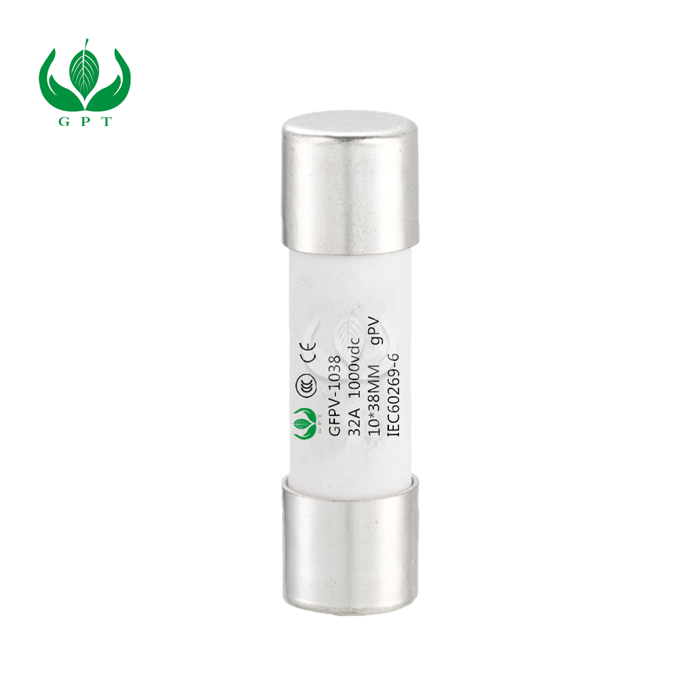
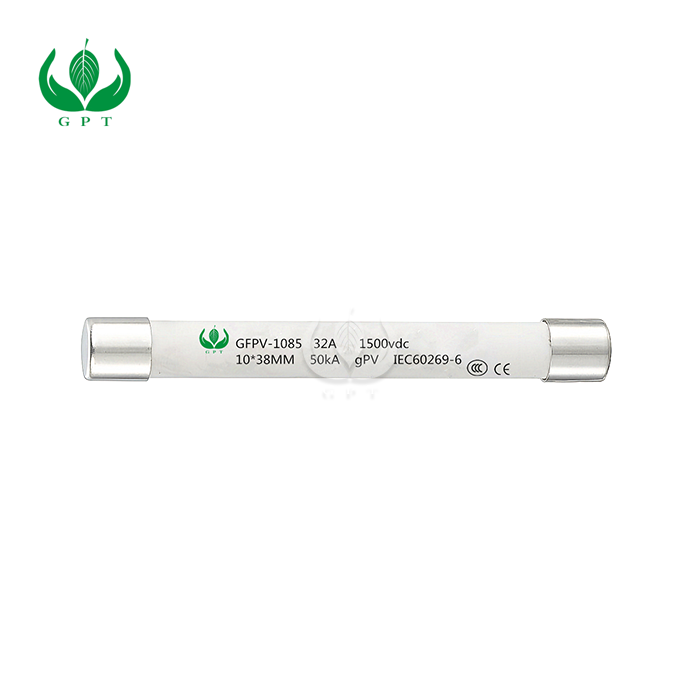
A solar panel inline fuse is a safety device that is made just for solar power systems. It's usually a round part that goes into the DC connection between the solar panels and other parts of the system. These fuses are designed to work in solar setups where they will be exposed to tough conditions. They can handle high DC voltages, usually 1000V or 1500V.
How Inline Fuses Operate in PV Systems?
Inline fuses are based on a simple but useful idea: 1. Normal operation: Usually, electricity runs through the fuse without stopping. 2. Overcurrent detection: When the current is higher than what the fuse can handle, heat builds up in the fuse element. 3. Circuit interruption: The heat makes the fuse element melt, which opens the circuit and stops the current from flowing. 4. Fault isolation: The fuse stops damage from spreading to other parts of the system by breaking the circuit.
Key Features of Solar Panel Inline Fuses
Here are a few important things about the high-quality solar panel inline fuses that Xi'an Green Power Technology sells: 1. DC Voltage Rating: Usually 1000V or 1500V to work with today's solar panels. 2. Current ratings: The device can be found with different amounts of current, or amperages, to fit different system sizes (for example, from 1A to 32A). 3. A fast reaction time: Quick-acting fuses with time values of 1-3 ms to clear faults quickly. 4. High breaking capacity: can stop fault currents of 20 kA or more. 5. Protecting the environment: IP67-rated housings that are safe against water and dust. 6. Wide temperature range: can work from -40°C to +90°C to deal with very cold and hot weather. 7. Compliance: Following global norms such as IEC 60269-6 and UL 248-19.
Implementing Inline Fuses for Optimal Solar Panel Protection
Proper Sizing and Selection of Inline Fuses
Choosing the right inline fuse is very important for protecting your solar panels. 1. Current rating: Pick a fuse with a rating of 1.25 to 1.5 times the short-circuit current (Isc) of the circuit you want to protect. 2. Voltage rating: Make sure that the fuse's voltage rating is higher than the system's highest voltage (usually 1,000V or 1,500V). 3. Breaking capacity: Pick fuses with breaking capacities that are equal to or greater than the possible fault currents in your system. 4. Time-current features: Look at the reaction curve of the fuse to make sure it works with other safety devices. 5. The environment: Choose fuses that are made for outdoor use and that can handle the expected temperature and humidity levels.
Strategic Placement of Inline Fuses in PV Arrays
Putting the inline fuse in the right place helps protect the system better: 1. Protection at the string level: Put fuses at the positive and negative ends of each panel string. 2. Adding a combiner box: Add fuses to combiner boxes to protect multiple lines that go into a single output. 3. Inverter input protection: Central or string inverters should use inline fuses to protect their DC inputs. 4. Battery circuit protection: If your system has energy storage, put fuses on both the positive and negative battery lines. 5. Disconnect integration: For more safety during repair, combine DC disconnects with inline fuses.
Maintenance and Inspection of Solar Panel Inline Fuses
Regular upkeep guarantees ongoing safety. 1. Visual inspections: Look at the switch housings and see if there are any signs of rust, decay, or physical damage. 2. Thermal imaging: Use thermal cameras to find unusual patterns of heat that could mean the fuses are breaking. 3. Resistance testing: Measure the fuse's resistance from time to time to find possible problems before it fails. 4. Replacement schedule: Replace the fuse before the maker says it should be done, which is usually every 5 to 10 years. 5. Paperwork: Keep thorough records of fuse tests, checks, and repairs to stay compliant and for fixing.
Conclusion
When there is too much power, solar panel inline fuses are very important for keeping solar panel systems safe. System users and technicians can greatly improve the safety, dependability, and lifespan of solar power systems by knowing how they work, choosing the right fuses, and putting them in the correct way. As solar energy becomes more important, making sure that safety devices like inline fuses are used correctly is even more important for the long-term and safe use of green energy systems.
FAQs
For solar purposes, how do AC and DC breakers differ?
Our GFPV line is an example of a DC fuse that is made to handle the steady current in solar power systems. They can also break up DC sparks better than AC fuses because they have higher voltage values.
How often do you think I should change the inline fuses in my solar array?
Our fuses are designed to last, but we suggest checking them every 2 to 3 years and replacing them every 5 to 10 years, based on the situations where they are used.
Can car switches be used in my solar panel system?
No, normal car fuses don't have the voltage levels or breaking capacity needed for solar systems. For safety and compliance, you should always use PV-specific fuses like our GFPV-series.
Expert Solar Panel Inline Fuse Solutions | Green Power
At Xi'an Green Power Technology, we focus on making solar panel inline fuses that are very safe and reliable. Our GFPV-series fuses meet world standards and have the highest breaking power in the business at 20kA. As a reliable producer with more than 20 years of experience, we meet the needs of your unique PV system by offering personalized options and quick prototyping. If you want to talk about how our inline fuses can make your solar systems safer and better, please email us at fusemaker@163.com.
References
Smith, J. (2022). "Photovoltaic System Protection: A Comprehensive Guide to Inline Fuses." Solar Energy Engineering Journal, 45(3), 78-92.
Johnson, A., & Brown, M. (2021). "Overcurrent Protection Strategies for Large-Scale Solar Farms." Renewable Energy Technologies, 16(2), 210-225.
International Electrotechnical Commission. (2020). IEC 60269-6: Low-voltage fuses - Part 6: Supplementary requirements for fuse-links for the protection of solar photovoltaic energy systems.
National Fire Protection Association. (2023). NFPA 70: National Electrical Code, Article 690 - Solar Photovoltaic Systems.
Lee, S., & Park, H. (2023). "Advanced Fuse Technologies for Next-Generation Solar Panel Protection." Journal of Power Electronics, 18(4), 567-582.
Green Power Research Institute. (2022). "Global Market Trends in Photovoltaic Safety Devices: 2022-2027 Forecast." Annual Industry Report.