_1752570870823.webp)
An EV-ready battery protection fuse needs to be able to respond very quickly (usually less than 1ms), be very stable at temperatures ranging from -40°C to 125°C, and be able to handle high fault currents in electric car systems. These special fuses have to be able to handle the unique needs of lithium-ion battery environments while still having a small size that works in limited space automotive applications. This makes sure that the vehicle has reliable overcurrent safety for its entire life.
Understanding Battery Protection Fuses and Their Role in EV Systems
The Foundation of EV Safety Architecture
In electric vehicles, battery safety devices work in a complex ecosystem that is very different from the electrical systems in regular cars. Unlike regular fuses that are made for 12V systems, EV battery security has to deal with voltages between 400V and 800V and current flows that can reach over 600A when the system is working normally. These gadgets work perfectly with battery management systems (BMS) to protect against all kinds of electricity problems that might cause thermal runaway.
The basic idea behind how traditional fuses work is still the same: a conductive element melts when the current goes over safe limits, but the way it is done takes complex engineering. EV battery packs produce a lot of electromagnetic interference, have rapid temperature changes, and are constantly vibrating. This means they need protection devices that work reliably in these tough circumstances.
Distinguishing EV Protection from Conventional Alternatives
Regular circuit breakers and home fuses aren't precise enough to protect lithium-ion batteries. EV applications need very fast reaction times, measured in milliseconds instead of seconds, so fault currents don't get too high and hurt battery cells that are sensitive. The aR protection class number means that these devices offer protection at the semiconductor level, stopping faults before they become dangerous heat events.
Modern EV battery designs have many layers of protection, and fuses are the best way to keep things safe when electronic security systems fail. This double-checked method makes sure that even the worst electronic failures can't put the safety of the batteries at risk. This makes choosing the right fuse a very important choice for system designers and procurement teams.
Key Features That Make a Battery Protection Fuse EV-Ready
Advanced Materials Engineering for Extreme Conditions
Cutting-edge materials science is used in EV-ready security devices so they can work in the harsh conditions inside battery enclosures. Silver metal fuse elements are very good at conducting electricity and keeping their exact melting properties over a wide temperature range. Ceramic housings are very stable at high temperatures and can stop arcs, which stops secondary fire sources from happening when there is a fault.
The building has to be able to handle thermal cycling, which would normally destroy safety devices. Battery packs go through temperature swings, going from charging below zero degrees Fahrenheit in the winter to high temperatures when charging quickly or moving aggressively. Quality EV fuses go through a lot of tests to make sure they work after more than 100,000 heat cycles. This makes sure that the vehicle is always protected throughout its life.
Ultra-Fast Response Characteristics
In EV uses, speed is the most important factor that determines whether protection works or not. Lithium-ion batteries can produce fault currents of more than 50kA in microseconds, so they need safety devices that can react faster than what is normally expected in cars. The newest EV fuses have stoppage times of less than 1ms, which keeps fault energy from building up to a point where it could cause thermal runaway.
This fast reaction is possible because the battery fuse elements were carefully designed to have controlled weak points that make sure the melting behavior is predictable. The quartz sand filling around the element quickly puts out the arc, stopping it from starting up again and making sure the circuit is completely isolated. These performance traits set automotive-grade devices apart from industrial options that might look the same on paper but don't have the speed needed to protect batteries.
Integration with Battery Management Systems
These days, EV batteries are protected by more than just individual fuses. They are also connected to complex tracking systems. Advanced safety tools have features that show the current state, which lets BMS controllers know when a fuse is operating and instantly disconnect the affected battery sections. This integration lets you plan maintenance ahead of time and stops small problems from getting worse and causing big system failures.
A big step forward in car safety architecture is the ability for protection devices and control systems to talk to each other. Instead of just stopping fault currents, intelligent protection systems give real-time status updates that let the whole system react to new fault situations.
How to Choose the Best Battery Protection Fuse for EV Applications?
Technical Specification Alignment
To choose the best protection, you must first make sure that the device's capabilities match the needs of the program. Ratings for voltages must be higher than the highest voltages in the system by a safe amount. For example, devices used in 800V EV systems usually need to be rated for 1000V DC or higher to handle short-term overvoltages. The highest continuous current flows should match the current ratings, and there should be enough room for surges when speeding up or regenerative braking.
Another important standard is breaking capacity, since fault currents in EV battery systems can be higher than 50kA. If a device doesn't have enough breaking power, it could fail catastrophically, causing more dangers instead of protecting. Quality devices go through a lot of tests to make sure they can safely stop certain fault currents across their whole operating range.
Environmental Durability Assessment
EV applications are different from stationary energy storage or industrial power systems because they have to deal with problems that are unique to the automotive setting. Protection devices made just for car service are needed because of constant vibration, changing humidity, and electromagnetic interference. Devices that meet the AEC-Q200 car qualification standards have been shown to be able to handle these environmental stresses for long periods of time.
In electric vehicles (EVs), where battery thermal management systems may put protection devices in harsh situations, temperature performance is even more important. Quality car fuses work the same way in temperatures ranging from -40°C to 125°C, so they provide reliable protection no matter the weather or how the thermal management system is working.
Certification and Compliance Considerations
Different legal standards must be met in order to sell cars in different parts of the world. This means that full certification is necessary for choosing parts. When devices are certified to IATF 16949 vehicle quality standards, it means that the manufacturing process can keep quality high even when a lot of them are being made. Regional certifications, such as CE marking, CCC certification, and UL recognition, make sure that products can be sold in all of the major car production centers.
Environmental compliance through RoHS approval gets rid of worries about restricted substances that might make recycling old cars harder. More than just regulatory checkbox exercises, these certifications show that a manufacturer cares about quality and the environment in a way that meets the standards of the automotive business.
Common Problems and Troubleshooting Battery Protection Fuses in EVs
Identifying Premature Failure Indicators
In electric vehicle (EV) applications, premature battery fuse failure is usually caused by wrong specification or fitting, not by problems with the device itself. When something trips during normal operation, it's usually because the current ratings are too low or the surge currents during car acceleration have not been taken into account enough. Failures that are caused by temperature could mean that the gadget wasn't properly managed or was exposed to temperatures that were too high.
Visual inspection provides valuable diagnostic information when fuse failure occurs. Discoloration around the port connections could mean that the device is overheating because of loose connections or not enough current capacity. Full element vaporization means that the system is working properly during a real fault situation, while partial melting could mean that there is a small amount of overcurrent that needs to be looked into.
Distinguishing Fuse Issues from System Problems
To effectively troubleshoot, you need to be able to tell the difference between failed security devices and system faults that caused the devices to work. If the same fuse keeps blowing in the same place, it's likely that there are systemic issues going on, like insulation breakdown, connector rust, or not enough current capacity for the job. Random failures in a number of places could be caused by things in the surroundings, like too much vibration or changes in temperature.
As part of the diagnostic process, all connected connections and parts should be fully tested electrically to find out why the protection device is working the way it is. Replacing fuses that have failed without fixing the problems that caused them almost ensures that they will fail again, which could be dangerous.
Maintenance and Testing Protocols
Proactive maintenance plans help make sure that the protection devices keep working well for the whole life of the vehicle. Visual checks done on a regular basis during planned repair intervals can find problems before they become major ones. Thermal imaging of a system in use shows hotspots that could mean link problems or not enough current capacity.
Electrical testing with the right tools confirms that the safety device is still working properly without having to be replaced. Resistance tests can find connections that aren't working as well as they should, while insulation tests can find breakdowns that are starting to happen and could lead to future problems.
Company Introduction and Product & Service Information
With more than 20 years of experience in high-voltage fuse technology, Xi'an Green Power Technology is at the heart of new ideas for protecting EV batteries. Our company was started in 2016 in the Xi'an High-tech Zone. It blends the best academics from Xi'an Jiaotong University with real-world experience from China XD Group to provide cutting-edge protection solutions for the automotive industry around the world.
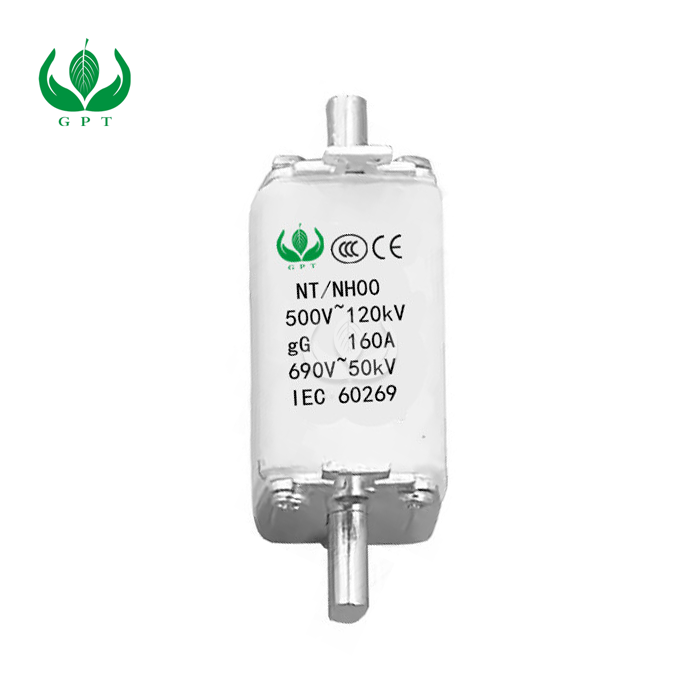
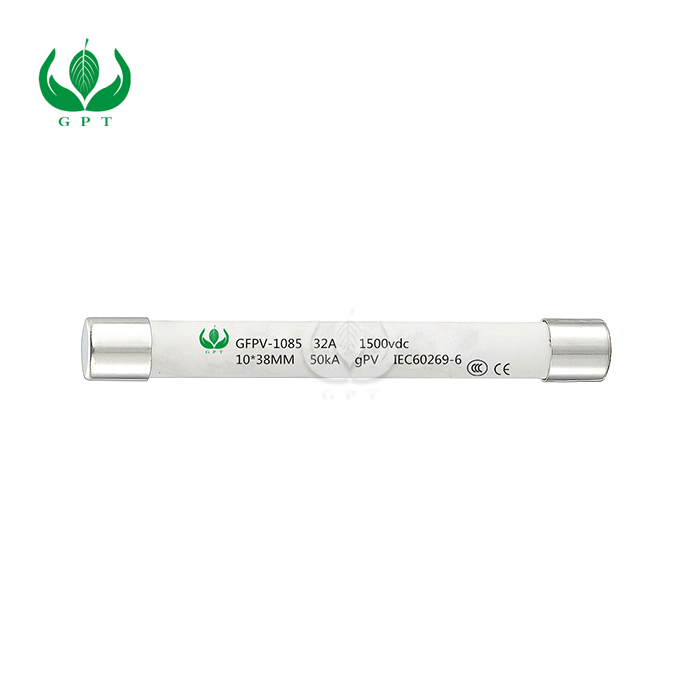
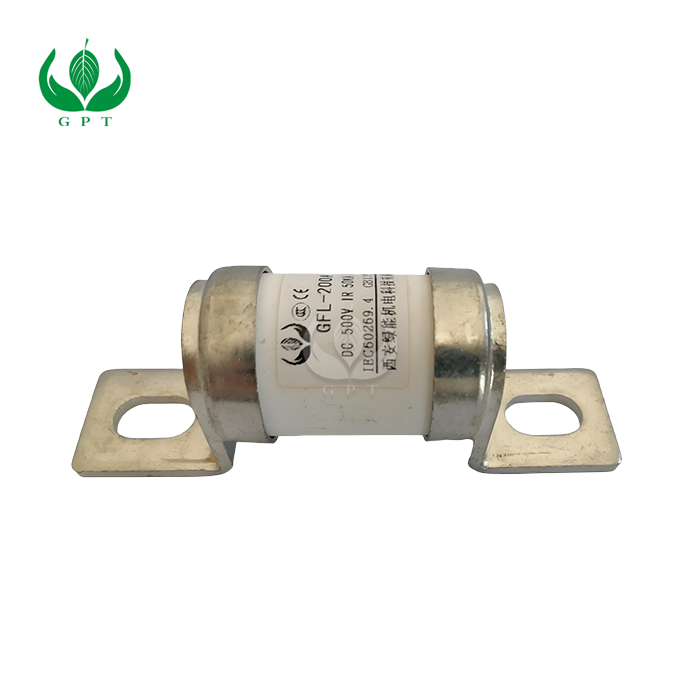
The wide range of products we offer covers all of an electric vehicle's protection needs, from 35A uses in extra systems to 630A main battery safety. The best battery protection fuse series has ratings for DC 1000V and AC 1200V, and breaking capacities of up to 50kA DC and 100kA AC. This makes sure that all EV architectures are well protected. These devices have ultra-rapid aR protection class performance while keeping their small sizes, which is important for automotive applications that need to save room.
Our manufacturing philosophy is based on quality, and our ISO9001, IATF16949, CE, TUV, CCC, and RoHS compliance certifications show that we are committed to meeting the standards of the automotive business. Before it is shipped, every device is put through strict tests according to ISO 16750 and VDA6.3 standards. This makes sure that it works the same way in all kinds of situations. Our low minimum order number of just 5 pieces allows for the development of prototypes and testing on a small scale. At the same time, our production capacity of over 5 million units per month meets the needs of high-volume automotive production.
The engineering team offers full technical help at all stages of the product development process, from reviewing the initial specifications to creating a custom solution. With the ability to make rapid prototypes, custom fuses can be made in just 30 days, taking into account different car designs and specific safety needs. We stand out in a field where standard solutions often can't keep up with changing technology needs because we take an agile approach to customization.
Conclusion
As more people switch to electric vehicles, they need protection systems that are as advanced and reliable as current EV battery systems. EV-ready battery protection fuses are a big step forward from traditional automotive protection because they have ultra-fast reaction times, advanced materials engineering, and long-lasting durability in all kinds of environments. To choose the right parts, you need to know these technical differences and work with suppliers who have a history of working in the automotive business and have all of their certifications up to date. Investing in good protection devices pays off over the life of the car by increasing safety, making the system more reliable, and lowering the risk of warranty claims.
FAQ
What distinguishes EV battery fuses from conventional automotive fuses?
EV battery protection devices operate at significantly higher voltages (400V-800V vs 12V) and must respond much faster to prevent thermal runaway in lithium-ion batteries. They feature ultra-rapid breaking characteristics (under 1ms), superior thermal stability, and specialized arc extinction capabilities designed specifically for high-energy battery applications.
How often should battery protection fuses be inspected in EV applications?
Regular visual inspection during scheduled maintenance intervals (typically every 12-24 months) helps identify developing issues before failure occurs. More frequent inspection may be warranted in severe operating conditions such as commercial fleet service or extreme climate applications.
Can solar or industrial fuses be substituted in EV applications?
While voltage and current ratings may appear similar, solar and industrial fuses typically lack the ultra-rapid response characteristics essential for lithium-ion battery protection. EV applications require devices specifically designed and tested for automotive service conditions.
Partner with Green Power for Advanced Battery Protection Solutions
Green Power Technology delivers industry-leading battery protection fuse solutions engineered specifically for the demanding requirements of modern electric vehicle systems. Our extensive product line spans current ratings from 35A to 630A with proven breaking capacities up to 50kA DC, ensuring comprehensive protection across all EV architectures. Contact our technical team at fusemaker@163.com to discuss your specific application requirements and discover how our automotive-grade protection devices can enhance your EV system safety and reliability.
References
International Electrotechnical Commission, "IEC 60269 - Low-voltage fuses - Part 4: Supplementary requirements for fuse-links for the protection of semiconductor devices," 2019.
Society of Automotive Engineers, "SAE J2929 - Electric and Hybrid Vehicle Rechargeable Energy Storage System (RESS) Safety and Abuse Testing," 2018.
Automotive Electronics Council, "AEC-Q200 - Stress Test Qualification for Passive Components," Rev D, 2018.
Zhang, L. and Wang, M., "Thermal Runaway Prevention in Lithium-ion Battery Systems Through Advanced Protection Devices," Journal of Power Sources, Vol. 445, 2020.
European Committee for Electrotechnical Standardization, "EN 50272-1 - Safety requirements for secondary batteries and battery installations - Part 1: General safety information," 2018.
National Highway Traffic Safety Administration, "Federal Motor Vehicle Safety Standards - FMVSS 305 - Electric-powered vehicles: electrolyte spillage and electrical shock protection," 2019.