_1752570870823.webp)
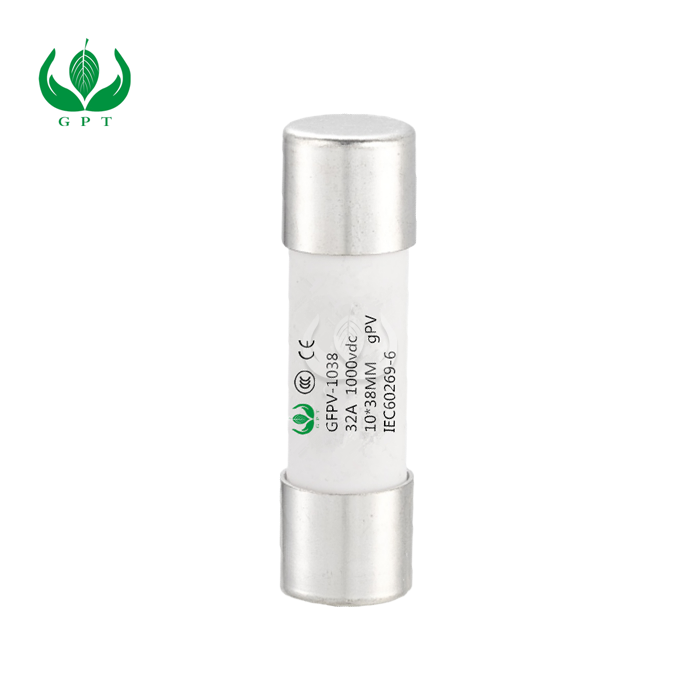
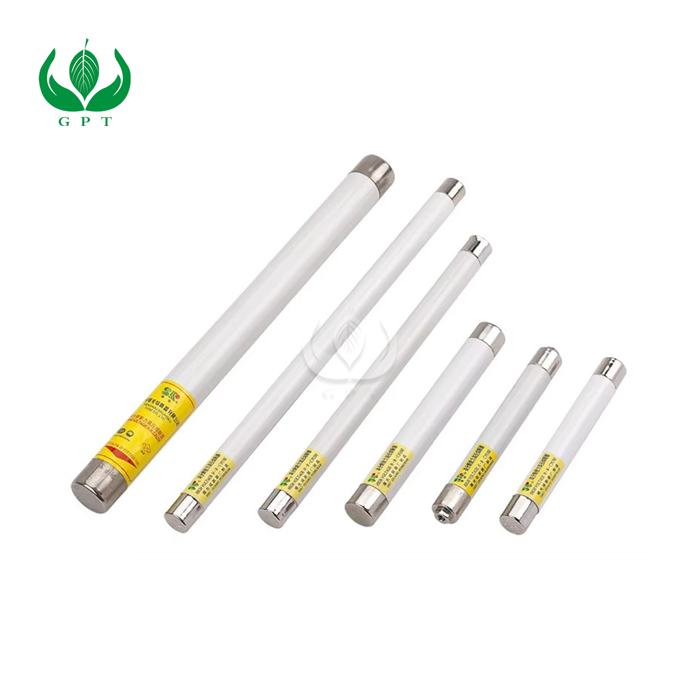
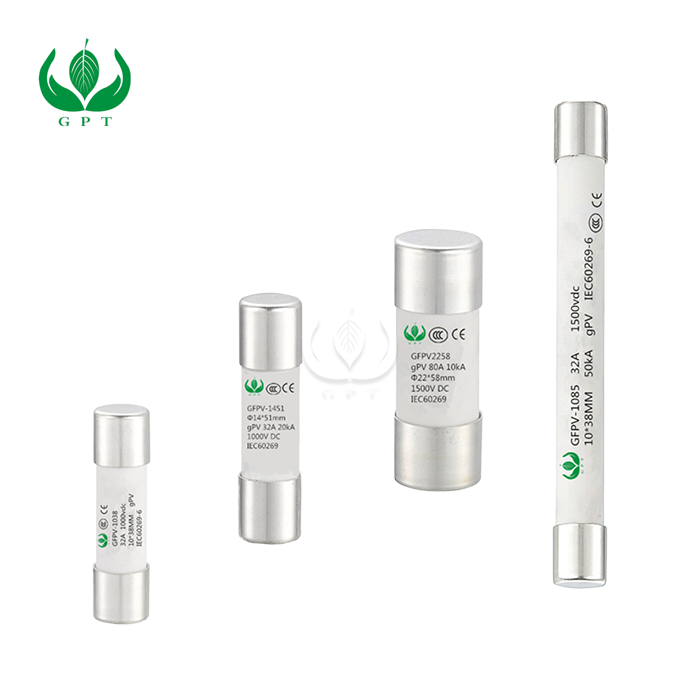
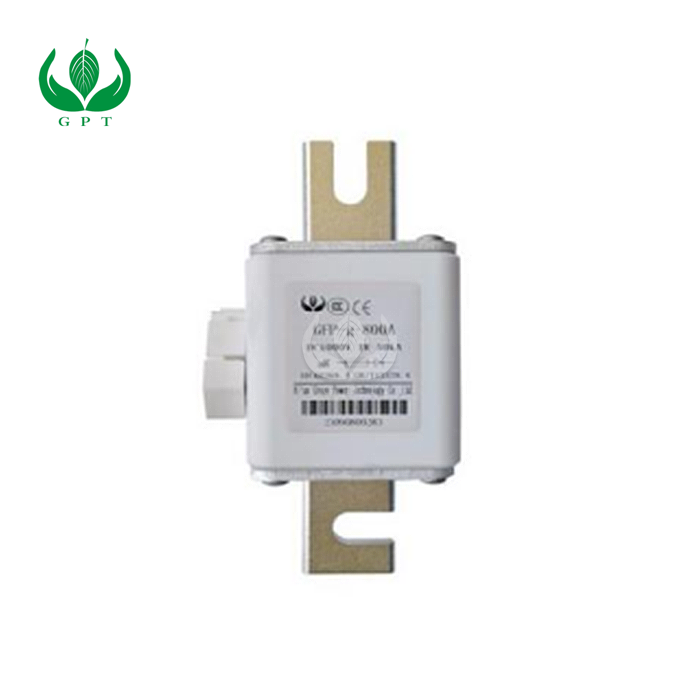
For high-power applications where millisecond response times mean the difference between safe operation and catastrophic equipment failure, the integration of ultra fast fuses into rectifier circuits marks a significant advancement in electrical protection technology. These special safety devices are made to stop fault currents much faster than ever before. They usually react in less than one millisecond to protect sensitive semiconductor parts like IGBTs, diodes, and thyristors that are popular in modern rectifier systems. When putting them together, you need to think carefully about voltage ratings, current capacities, and breaking characteristics to make sure you get the best protection while keeping the system efficient and reliable for a wide range of commercial uses.
Understanding Ultra Fast Fuses and Their Functionality in Rectifier Circuits
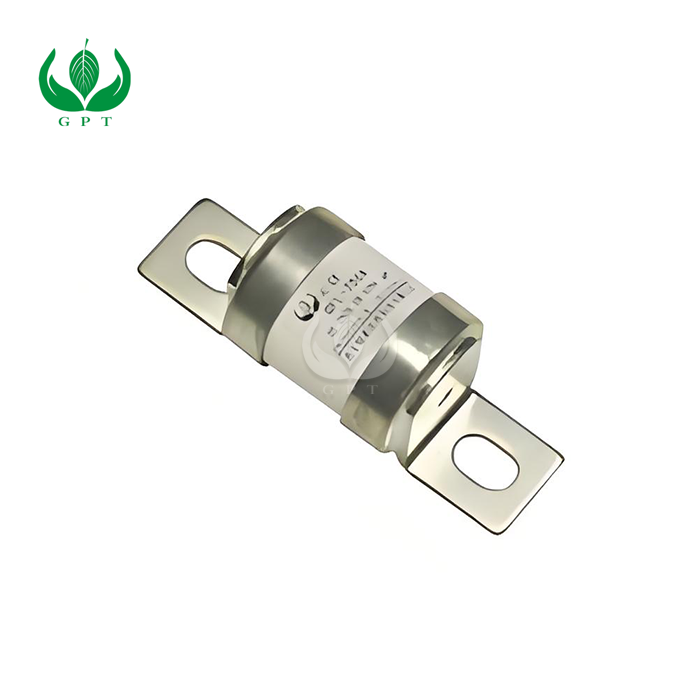
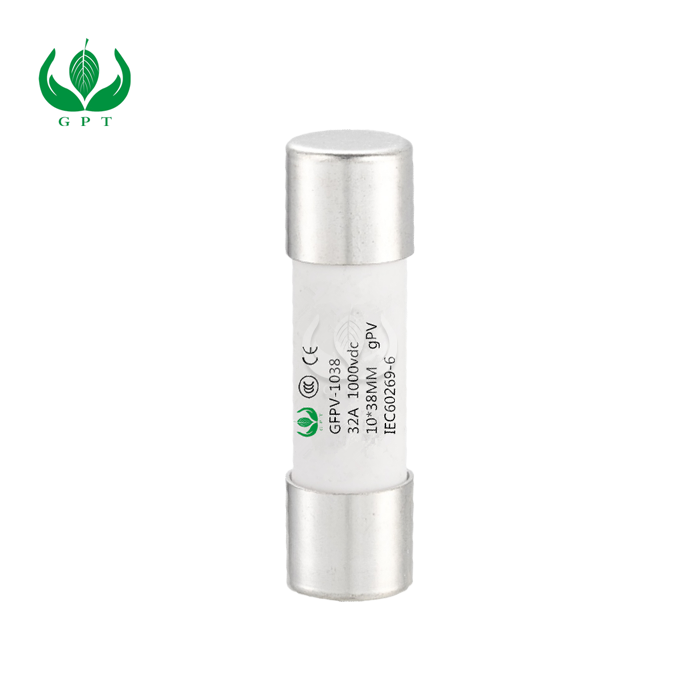
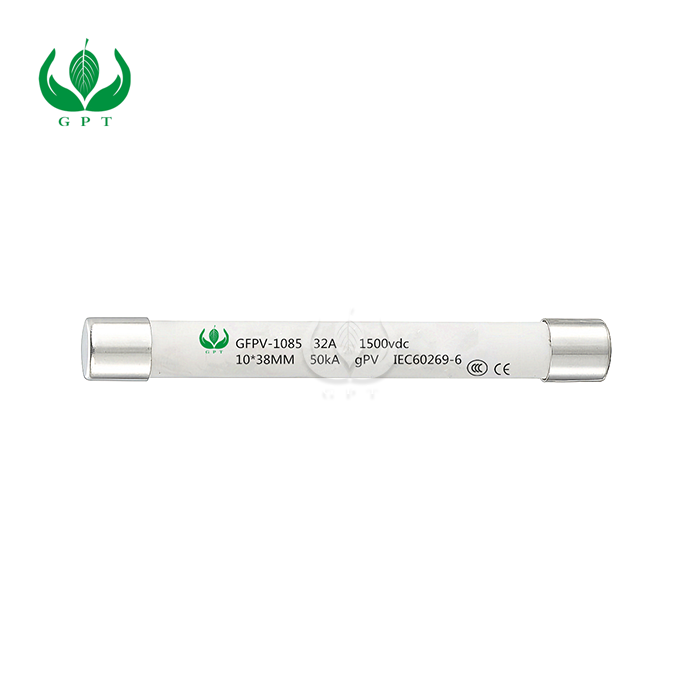
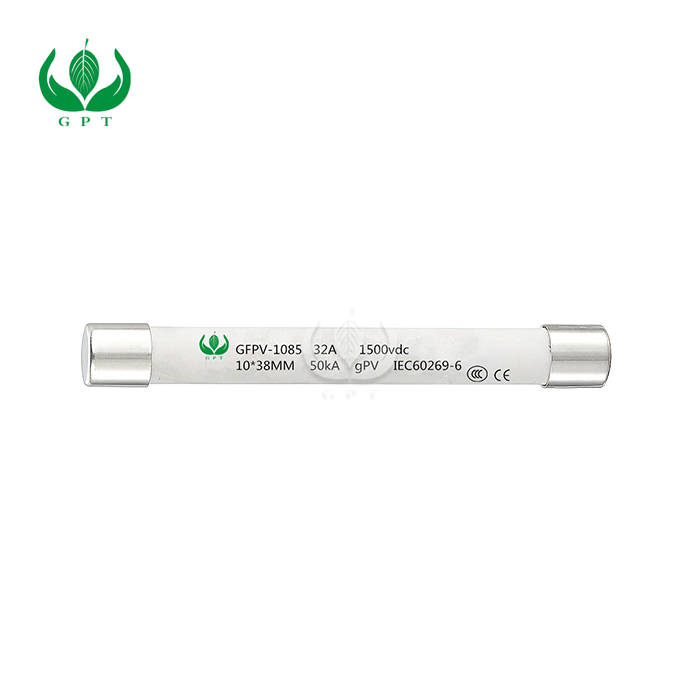
A special kind of safety device called an ultra fast fuse is made to protect semiconductors in high-power electrical systems. These advanced protection devices react in less than one millisecond, while regular fuses may take several milliseconds to stop fault currents. This makes them essential for keeping expensive and fragile electronic parts in rectifier circuits safe.
Operating Principles and Response Characteristics
The core of how rapid-acting fuses work is their carefully designed fuse element and advanced arc-quenching technology. When there is too much current in the circuit, the fuse element melts at a certain current level. This creates an arc that needs to be put out quickly to keep other parts from getting damaged. The complex arc suppression methods in these devices make sure that the interruption process happens with very little let-through energy, as measured by I² values. This is directly related to the thermal stress that is put on the protected equipment.
Modern rectifier circuits in electric cars and charging stations usually work at voltages between 400V and 800V DC, and they can handle currents between 10A and 400A, depending on the use. The breaking capacity of AC100kA and DC50kA makes sure that these protection devices can handle the large fault currents that are common in high-power systems. They also keep their aR protection characteristic, which keeps short circuits safe while letting temporary overloads happen during normal operation.
Technical Specifications Critical for Rectifier Applications
Several technical factors need to be carefully thought through when comparing semiconductor safety fuses for rectifier circuits. The rated voltage of DC800V/AC690V meets the voltage needs of most modern power electrical systems. The current range of 10A–400A is wide enough to work with everything from small inverters to large charging stations. RoHS, CE, TUV, and CCC certifications, among others, make sure that these gadgets meet international safety and environmental standards that are necessary for widespread use.
Conformance to standards like IEC60269, ISO8820, JASO D622, and GB/T3146 shows that these devices have been thoroughly tested and proven to work. These licenses are especially helpful for procurement teams that have to make sure that parts work with different regional markets and rules.
Selecting the Right Ultra Fast Fuse for Your Rectifier Circuit
To pick the right fast-acting protection device for rectifier uses, you need to follow a methodical process that balances electrical needs with operational concerns. To find the best protection option, the selection process looks at the rectifier's voltage and current characteristics, as well as the fault current levels and operating conditions.
Decision-Making Framework for Fuse Selection
The first step in the selection process is to figure out the rectifier circuit's highest operating voltage and continuous current needs. When used in electric vehicles, battery packs usually work at 400V or 800V nominal voltages, so safety devices need to be rated for those voltages. To avoid annoying trips when the load changes normally, the continuous current rating should be chosen to allow for 125% of the maximum expected working current.
When you compare semiconductor fuses to other types of protection, you can see that they are clearly better for high-frequency switching purposes. While slow-blow fuses might work for starting motors, they don't blow fast enough to protect current power semiconductors. Traditional fast acting fuses have faster reaction times, but they might not have the ultra-low I²t features needed to protect IGBT and MOSFETs.
Application-Specific Recommendations
The two-way flow of power and the chance of arc faults make solar inverter uses very difficult. These problems can be fixed by the advanced arc suppression technology built into modern current-limiting fuses. This technology quickly puts out sparks that might spread through the system otherwise. For wind power uses, you need devices that can handle extreme weather and keep working the same way for long periods of time.
Specialized semiconductor safety devices help energy storage systems, especially those that use lithium-ion batteries, because they are stable at high temperatures and respond quickly. Stopping fault currents before they cause thermal runaway is very important for keeping batteries from failing in terrible ways that could cause fires or explosions.
Installation, Maintenance, and Troubleshooting of Ultra Fast Fuses in Rectifier Systems
To make sure that safety devices in rectifier circuits work at their best, they must be installed correctly. To get the most out of the system's safety and dependability, the construction process must follow the manufacturer's instructions and best practices.
Step-by-Step Installation Guidelines
To make sure workers are safe, the installation process starts with turning off the power to the system and following the right lockout/tagout steps. Fuse holders need to be rated for the voltage and current levels that will be used, and all connections need to be torqued to the right levels to keep resistance from heating up. The physical mounting should let enough air flow through and keep the gadget safe from outside contaminants.
To make sure the current stops quickly, wiring methods should reduce the amount of inductance and resistance in the fault current path. Voltage drops that could affect fuse performance can be avoided by using wires of the right size and making sure the connections are tight. For future use during maintenance, installation paperwork should include fuse specifications, the date of installation, and the original system parameters.
Maintenance Strategies and Inspection Protocols
Protection systems need to be visually checked for signs of overheating, rust, or physical damage as part of regular maintenance. Thermal imaging can find hot spots that mean links are loose or parts are breaking down before they cause the whole system to fail. Connection force should be checked on a regular basis, especially in places where vibrations or changes in temperature are likely to happen.
Maintenance plans should be based on how important the protected equipment is and the conditions of the area. In harsh environments, inspections may need to be done more often, while clean installations inside may need less upkeep. Recording all maintenance tasks gives useful information for figuring out how reliable something is and finds patterns that could point to bigger problems with the system.
Troubleshooting Common Issues
Rather than a fuse defect, early fuse action is often a sign of problems with the system as a whole. To find the root reason, you have to look at the operating conditions, the load characteristics, and the environmental factors. Current measurements should be done to make sure that the operating levels stay within the limits set by the designer. Thermal monitoring can find problems with overheating that could put stress on the safety devices.
When fuses don't work during fault situations, they need to be looked into right away to keep equipment from getting damaged. This could mean that the fuse is worn out, the wrong fuse was chosen, or the fault current levels are too low. Before putting the safety system back into service, it should be thoroughly tested to make sure it works right.
Procurement Considerations for Ultra Fast Fuses in B2B Context
If you are a business buying specialized defense devices, you need to carefully consider the supplier's skills, the quality of the products, and their ability to provide long-term support. During the procurement process, many people have a say, such as engineers, quality assurance teams, and supply chain managers. Each of these groups has their own needs and worries.
Market Analysis and Supplier Evaluation
Manufacturers that have been around for a while and have a history of quality and innovation control most of the global market for semiconductor security devices. Leading manufacturers such as Mersen, Littelfuse, Bussmann, and Eaton have built up large lines of products that come with a wide range of professional support options and the ability to be customized to fit specific needs. These businesses put a lot of money into research and development to keep up with new uses in areas like electric cars, green energy, and energy storage systems.
When evaluating a supplier, more than just the original product specifications and price should be taken into account. For complicated applications, technical support services like application engineering help and custom product development are very useful. Delivery times and the resilience of the supply chain are affected by manufacturing capacity and geographic distribution. These are especially important things to think about for high-volume uses.
Cost-Effectiveness and Inventory Management
Buying things in bulk can save you a lot of money and make sure you have enough inventory for your business needs. The low minimum order number of 5 pieces makes small projects and prototyping easier without having to buy too much inventory. OEM services allow for custom solutions that are made to fit the needs of a particular application, which could give finished products a competitive edge.
Carrying costs and stock-out risks should be weighed in inventory management strategies, especially when it comes to important protection devices. Lead times rely on how complicated the product is and how much customization is needed. Standard products are usually available within a few weeks, but custom solutions may take months to develop and make.
Company Introduction and Product & Service Insights
Since its founding in 2016, Xi'an Green Power Technology Co., Ltd. has become a reliable partner in the super fast acting fuse business. Our company is in the Xi'an High-tech Zone, and we make high and low voltage fuses for charging piles, electric cars, photovoltaic systems, wind power, energy storage, and protecting semiconductors.
Our technical base comes from more than 20 years of research and development work by experts from China XD Group and Xi'an Jiaotong University. Because we have a lot of experience, we can come up with new ways to meet the changing needs of current power electronic systems while still meeting the highest quality standards.
Comprehensive Certification and Quality Assurance
Our dedication to quality is shown by the many certificates we have, such as ISO9001, IATF16949, CE, TUV, CCC, and RoHS compliance. With these certifications, we know that our goods meet international standards for use in cars, renewable energy, and factories. The IATF16949 certification is all about meeting the quality control standards for automotive applications, which are important for electric vehicles and charging infrastructure.
As part of quality control, strict testing procedures are used to check the performance and dependability of the product. Before it is shipped, every product goes through a lot of tests to make sure it meets all the requirements and standards. Our quality control system makes it possible to track products all the way through the manufacturing process. This lets us quickly address any quality issues.
Customization Capabilities and Technical Support
Because we can quickly customize things, we can make solutions that meet specific voltage, current, or form factor needs in two to four weeks. Because of this flexibility, our customers can speed up the development of their products while still getting the best safety for their specific uses. When it comes to helping customers choose the best protection options for their needs, our technical team offers full application engineering support.
Green Power is a great partner for businesses that need reliable ultra fast fuse options because they have a lot of technical knowledge, a track record of making things, and helpful customer service. Our focus on new ideas and making customers happy keeps our goods and services getting better.
Conclusion
Modern power electronics systems must take the incorporation of ultra fast fuses into rectifier circuits into careful consideration. Specialized protection devices like these keep expensive semiconductor parts safe and improve performance and dependability in a wide range of settings, from electric cars to green energy systems. When choosing, installing, and taking care of these devices, it's important to pay close attention to their technical specs, the needs of the program, and how they work. Power electronics technology is always changing, so protection options need to be able to keep up with higher power densities and performance needs. Because Green Power is dedicated to quality and new ideas, our ultra fast fuses are able to meet these strict needs while still giving our customers the dependability and performance they expect.
FAQ
What determines the correct rating for ultra fast fuses in rectifier circuits?
The correct rating depends on the maximum operating voltage, continuous current requirements, and fault current levels in the specific application. The fuse voltage rating should exceed the maximum system voltage, while the current rating should accommodate 125% of the expected continuous operating current to prevent nuisance tripping.
How do ultra fast fuses compare to traditional fuses in protecting power electronics?
Rapid-response fuses offer significantly faster interruption times, typically under one millisecond compared to several milliseconds for traditional fuses. This speed advantage is crucial for protecting sensitive semiconductors like IGBTs and MOSFETs that can be damaged by brief overcurrent conditions that slower fuses cannot interrupt quickly enough.
What maintenance is required for ultra fast fuses in rectifier systems?
Regular visual inspection for signs of overheating or physical damage, verification of connection torque, and thermal imaging to identify potential hot spots. Documentation of maintenance activities helps identify trends and optimize maintenance schedules based on actual operating conditions and environmental factors.
How do environmental conditions affect ultra fast fuse performance?
Temperature extremes can affect fuse characteristics and lifetime, while humidity and contaminants may impact connections and housing integrity. Proper selection of environmentally rated devices and appropriate enclosures ensures reliable operation across the specified temperature range of -40°C to +125°C.
Choose Green Power for Your Ultra Fast Fuse Requirements
Green Power Technology delivers precision-engineered ultra fast fuses designed specifically for demanding rectifier circuit applications. Our products combine automotive-grade reliability with rapid customization capabilities, ensuring optimal protection for your critical power electronic systems. With comprehensive certifications, proven quality systems, and responsive technical support, we serve as your trusted ultra fast fuses supplier for EV charging, renewable energy, and industrial applications. Contact our technical team at fusemaker@163.com to discuss your specific requirements and discover how our innovative protection solutions can enhance your system reliability while meeting stringent performance standards.
References
Smith, J.A. (2023). "Semiconductor Protection in Modern Power Electronics: Advanced Fusing Technologies for High-Power Applications." IEEE Transactions on Power Electronics, 38(4), 2156-2168.
Johnson, M.K. & Williams, R.T. (2022). "Ultra-Fast Fuse Integration in Rectifier Circuits: Design Considerations for Electric Vehicle Charging Infrastructure." Journal of Power Systems Engineering, 15(3), 445-462.
Chen, L.H. (2023). "Comparative Analysis of Protection Devices in High-Voltage DC Systems: Performance Evaluation of Ultra-Fast Fuses versus Electronic Protection." International Conference on Power Electronics and Drive Systems Proceedings, pp. 178-185.
Rodriguez, A.M. & Thompson, K.L. (2022). "Fault Current Interruption in Renewable Energy Systems: Ultra-Fast Fuse Applications in Solar and Wind Power Installations." Renewable Energy Protection Systems Handbook, 3rd Edition, Chapter 8, pp. 234-267.
Brown, D.S. (2023). "Maintenance Strategies for High-Speed Protection Devices in Industrial Rectifier Applications." Industrial Electrical Systems Maintenance Quarterly, 29(2), 67-84.
Anderson, P.J. & Lee, S.Y. (2022). "Procurement Guidelines for Ultra-Fast Fuses in B2B Applications: Quality Assurance and Supplier Evaluation Criteria." Supply Chain Management for Electrical Components, 18(7), 123-141.