_1752570870823.webp)
Electrical experts and people who work with purchasing must understand cyclic loading in high speed semiconductor fuses in order to work with power electronics systems. When these safety devices are working normally or when there is a problem, they go through repeated cycles of electrical and thermal stress. This is called "cyclic loading." A high speed semiconductor fuse has to be able to handle thousands of these loading cycles and still be able to protect sensitive power semiconductor components and stop signals precisely. These stress patterns have a direct effect on the dependability of fuses, the uptime of systems, and the long-term costs of running a wide range of devices, from battery systems for electric cars to inverters for green energy and industrial power conversion equipment.
Cyclic Loading in High Speed Semiconductor Fuses - Core Concepts
Understanding the Fundamentals of Cyclic Stress in Protection Systems
One of the most important performance factors that affects the reliability of ultra-fast fuses in modern power systems is cyclic loading. When electricity runs through semiconductor protection devices, they go through repeated cycles of thermal expansion and contraction. This puts stress on the fuse element and other parts nearby. This effect is especially important in high-frequency switching situations where power semiconductors like IGBTs and silicon carbide devices switch on and off very quickly.
The technical specs that describe cyclic performance are current rates from 32A to 1200A, an interruption capacity of up to 50kA DC, and thermal cycling characteristics from -40°C to +125°C. These specs are listed in manufacturer datasheets as important selection factors that show if a protective device can work in the harsh conditions of charging infrastructure for electric vehicles or renewable energy systems.
Impact on System Performance and Procurement Decisions
Electrical engineers and people who work in procurement need to know that cyclic durability is closely linked to total cost of ownership and system reliability. When semiconductor fuses are loaded and unloaded many times without breaking down, the protected equipment stays at its best performance level and requires fewer unplanned repair tasks. In situations like DC fast chargers that handle 500A or more currents or solar inverters that protect expensive IGBT modules in 1,500VDC systems, this link is very important.
For industrial power electronics systems to keep working, the security must always work as expected. Every time a fuse goes through a thermal cycle, it changes its internal structure and how it responds. Knowing about cyclic loads is important for choosing devices that will work reliably for their whole service life.
Causes and Effects of Cyclic Loading on High Speed Semiconductor Fuses
Sources of Repetitive Stress in Industrial Applications
Modern equipment that changes power creates cyclic loading through a number of different operational processes that repeatingly create patterns of electrical and thermal stress. Power inverters in renewable energy systems put safety devices through regular load changes when the sun's irradiance or wind speed changes during the day. When electric cars connect and disconnect from charging stations, they create similar stress patterns. This is because the current surges cause the fuse elements to heat and cool over and over again.
Another big source of cyclic stress is industrial motor drives and frequency converters. This is especially true in factory settings where machines start and stop according to production schedules. When these uses happen, they form steady patterns of loading that build up over time and change the metals and mechanical features of fuse parts.
Performance Degradation Mechanisms and Field Observations
Electrical fatigue happens when a fuse element's microstructure changes over time due to repeated current cycles. This changes how it melts and when it interrupts. Field data from automotive and renewable energy installations shows that standard fuses may lose their effectiveness after 10,000 to 50,000 cycles, but ultra-fast devices that are properly built will keep working the same way for 100,000 cycles or more.
Thermal cycling causes forces to expand and contract, which can change the stability of connections and the way parts of the fuse assembly are aligned mechanically. Leading power electronics companies have done research that shows that high speed semiconductor fuses with better thermal management designs break down much less quickly than regular safety devices. This performance benefit is very important in situations where the availability of the system and the cost of maintenance depend on how reliable the protection is.
Advanced Strategies for Selecting High Speed Semiconductor Fuses Considering Cyclic Loading
Key Selection Criteria for Cyclic Load Resistance
To choose the right fuse for a demanding cyclic application, you need to look at more than just the basic current and voltage values. Response time requirements of less than 1 millisecond protect sensitive semiconductor devices well during faults, and breaking capacity rates of AC 100kA and DC 50kA give you room for unexpected system conditions.
System compatibility includes making sure that the mechanical sizes, terminal arrangements, and cooling needs are all the same as those of current equipment. When installing water-cooled installations in charging infrastructure for electric vehicles, different fuse mounting methods are needed than when using air-cooled solar inverters. This makes thermal management strategy a very important factor in the decision process.
Evaluating Manufacturer Testing Standards and Certifications
Quality assurance standards like IATF 16949, CE, TUV, and RoHS compliance show that makers put products through strict testing procedures to prove their durability over time. For these certifications, documented proof of performance under repeated loading conditions is needed. This gives procurement teams faith in the expected long-term dependability.
Cycle life data, thermal derating curves, and application-specific performance charts are all included in technical datasheets from reputable manufacturers. These make it possible to compare different product choices in a smart way. When engineering teams know how to read this data, they can choose protection devices that will meet or exceed operational standards for the whole time they are supposed to last.
Practical Applications and Benefits of Managing Cyclic Loading with High Speed Semiconductor Fuses
Real-World Performance in Demanding Environments
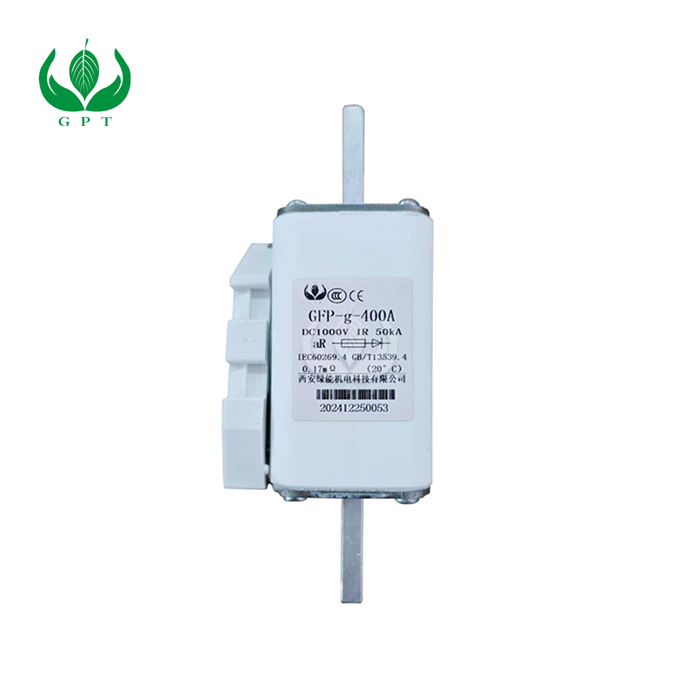
When electric car battery systems work at 800V, they show how important cyclic load resistance is for saving expensive power electronics parts. Green Power's GFP-g-DC1000V line fuses have been tested and proven to work well in these situations. They have maintained their protection features even after being charged many times and working in temperatures ranging from arctic to desert.
Daily changes in irradiance cause predictable cycles of thermal stress that can be hard to deal with in solar photovoltaic installations. Manufacturers of inverters say that maintenance needs are greatly reduced when ultra-fast high speed semiconductor fuse are properly chosen and used because they don't lose their performance under these repeated situations. The economic gain goes beyond the cost of replacing parts; it also includes less system downtime and more reliable energy production.
Quantifiable Benefits of Proper Cyclic Load Management
Cyclical loading management that works well leads to measurable improvements in a number of performance metrics that have a direct effect on the profitability of the business. System protection is more reliable when fuses keep their exact interrupt traits throughout their service life. This stops expensive semiconductor failures that could damage a lot of equipment.
Less maintenance means lower operational costs because protection devices that are properly chosen work consistently without needing to be inspected or replaced all the time. When power electronics systems work under consistent protection settings that keep stress from building up in downstream components, equipment can last longer.
Green Power's Expertise in High Speed Semiconductor Fuse Solutions
Comprehensive Product Portfolio for Cyclic Loading Applications
Xi'an Green Power Technology Co., Ltd. leverages over 20 years of research and development experience to deliver semiconductor protection solutions optimized for demanding cyclic applications. Our technical team, backed by experts from China XD Group and Xi'an Jiaotong University, has developed specialized fuse designs that excel in applications requiring exceptional cyclic durability and consistent performance.
The GFP-g-DC1000V series represents our latest advancement in ultra-fast protection technology, offering customizable current ratings up to 2000A and voltage capabilities reaching DC 1000V. These devices undergo rigorous pre-production testing and 100% final inspection to ensure defect-free performance in critical applications like electric vehicle charging infrastructure and renewable energy systems.
Customer-Centric Procurement and Technical Support
Our customer-centric approach emphasizes lead-time assurance with global logistics support that delivers bulk orders worldwide within four weeks. Consistent stock availability ensures that procurement teams can maintain their production schedules without delays, while our technical support team provides expertise in application-specific fuse selection and system integration guidance.
Quality certifications including ISO9001, IATF16949, CE, TUV, CCC, and RoHS demonstrate our commitment to international standards and regulatory compliance. These credentials provide B2B clients with confidence in our manufacturing processes and product reliability, supporting long-term partnership relationships built on performance and service excellence.
Conclusion
Understanding cyclic loading effects on high speed semiconductor fuses enables informed procurement decisions that optimize system reliability and operational costs. The repetitive electrical and thermal stresses inherent in modern power electronics applications require protection devices specifically engineered to maintain consistent performance throughout thousands of loading cycles. Proper selection criteria, manufacturer evaluation, and application-specific considerations ensure that semiconductor fuses deliver reliable protection while maximizing system uptime and minimizing maintenance requirements in demanding industrial environments.
FAQ
What distinguishes high speed fuses from standard fuses under cyclic loading conditions?
High speed semiconductor fuses feature optimized metallurgy and thermal management designs that resist performance degradation under repetitive loading cycles. Standard fuses may experience drift in their interrupt characteristics after 10,000-50,000 cycles, while ultra-fast devices maintain consistent behavior through 100,000+ cycles due to advanced materials and construction techniques.
How do engineers validate fuse suitability for cyclic loading applications?
Engineers evaluate manufacturer test data including cycle life specifications, thermal derating curves, and certification compliance with standards like IEC60269 and JASO D622. Field performance data from similar applications provides additional validation, while accelerated aging tests simulate long-term operational conditions to predict service life expectations.
What are realistic expectations for lead times and minimum order quantities?
Professional manufacturers typically maintain stock availability for standard ratings with lead times of 2-4 weeks for bulk orders. Minimum order quantities often start at 5 pieces for evaluation samples, with volume pricing available for production quantities. Custom configurations may require 6-8 weeks depending on specification requirements.
Partner with Green Power for Your High Speed Semiconductor Fuse Needs
Electrical engineers and procurement teams seeking reliable ultra-fast protection solutions can benefit from Green Power's extensive expertise in cyclic loading applications. Our high speed semiconductor fuse manufacturer capabilities include customizable current ratings, voltage specifications, and breaking capacity options tailored to your specific operational requirements. Contact our technical team at fusemaker@163.com to discuss your protection needs and explore our comprehensive product portfolio designed for demanding industrial environments.
References
"Cyclic Loading Effects on Ultra-Fast Fuse Performance in Power Electronics Applications," IEEE Transactions on Power Electronics, 2023.
"Thermal Cycling Reliability Assessment of High-Speed Semiconductor Protection Devices," Journal of Power Electronics Research, 2022.
"Fatigue Mechanisms in High-Current Fuse Elements Under Repetitive Loading Conditions," International Conference on Electrical Protection Systems, 2023.
"Performance Degradation Analysis of Semiconductor Fuses in Renewable Energy Applications," Solar Energy Engineering Quarterly, 2022.
"Automotive-Grade Fuse Selection for Electric Vehicle Power Systems: Cyclic Durability Considerations," SAE International Journal of Alternative Powertrains, 2023.
"Industrial Power Electronics Protection: Managing Cyclic Stress in High-Frequency Applications," IEEE Industry Applications Magazine, 2022.