_1752570870823.webp)
Picking the right high speed semiconductor fuse to protect delicate power equipment can mean the difference between a system that works well and one that fails completely. These special safety devices stop fault currents in milliseconds, keeping expensive semiconductors like IGBTs and silicon carbide modules safe in electric cars, charging stations, and systems that use green energy. This complete guide gives engineers and procurement managers the information they need to make smart buying choices that improve both performance and cost-effectiveness.
Understanding High Speed Semiconductor Fuses
High speed semiconductor fuses are a major step forward in circuit safety technology. They were made to protect sensitive electronic parts from overcurrent situations. These specialized devices react very quickly to fault currents, stopping dangerous currents within milliseconds to keep expensive semiconductor parts from getting damaged by heat.
Fundamental Operation and Design Principles
As their name suggests, ultra-fast fuses work by finding and fixing faults faster than the chip they are protecting can get damaged. When too much current runs through the fuse element, it melts quickly, making an arc. The internal quenching medium of the fuse puts out this arc right away, successfully isolating the fault and protecting the parts further down the line. So fast does this process happen that even during severe short-circuit events, sensitive devices like IGBTs, thyristors, and power MOSFETs are not damaged.
Response times of less than one millisecond are possible with modern high-speed protection systems that use cutting-edge materials and building methods. The fuse element is made of carefully designed silver or copper alloys that have exact melting properties. The ceramic or polymer housing around it has arc-quenching materials like ceramic powder or silica sand in it.
Key Electrical and Thermal Characteristics
It is very important to know the electrical specs of semiconductor safety fuses in order to make the right choice. Most voltage values are between 500V and 1500V DC, but some specialized units can handle even higher voltages. Current ratings range from 32A to over 1200A, so they can handle everything from small power sources to big motor drives for factories. The breaking capacity is one of the most important specs because it tells you the biggest problem current that the fuse can safely stop without hurting the system around it.
The way a fuse works is also affected by its thermal properties. Operating temperature ranges usually cover -40°C to +125°C, which makes sure they work reliably in harsh industrial and vehicle settings. The I²t rating tells you how much energy the fuse lets pass when it's not working. The thermal time constant tells you how quickly the fuse responds to overload situations.
Common Types and Classifications
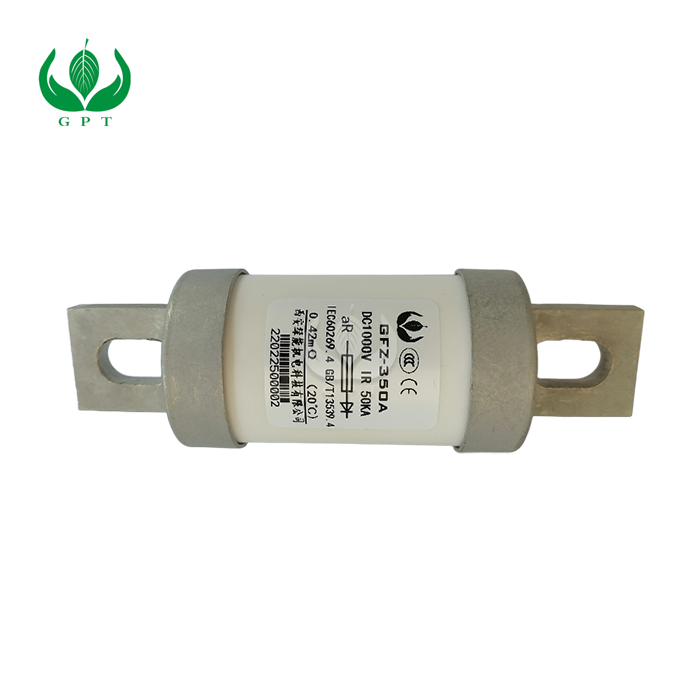
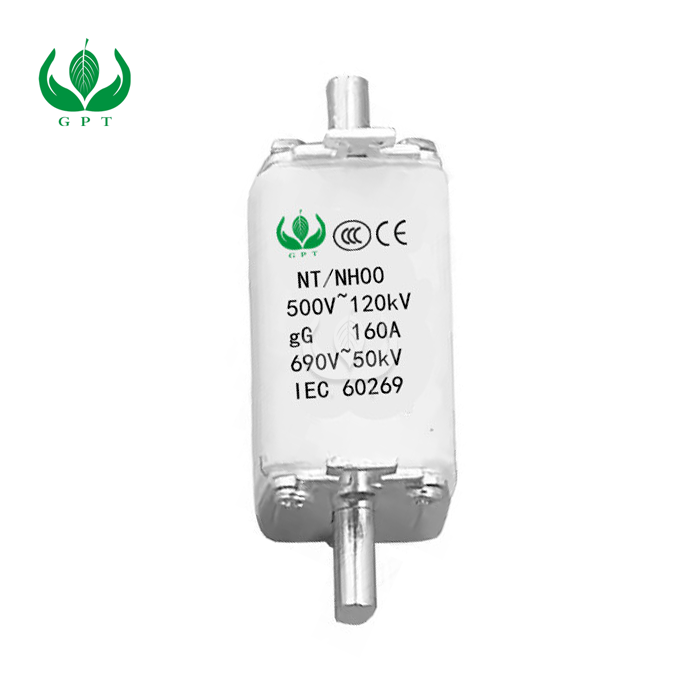
The aR-type classification is the most popular for semiconductor applications. It is made to protect rectifiers and other similar semiconductor devices. These fuses do a great job of protecting against short circuits while still letting brief overloads happen during normal operation. The gG classification provides general-purpose security for a range of loads, while the gS classification and its variants are designed for specific motor protection tasks.
Comparative Analysis for Optimal Decision Making
To choose the right safety device, you need to know how the different fuse methods stack up against each other in a number of performance areas. Choosing between high-speed semiconductor fuses and other safety methods has a big effect on how reliable the system is, how much it costs, and how often it needs to be maintained.
Performance Comparison Across Fuse Technologies
Slow-blow fuses don't work well for protecting fast-switching semiconductors because they only respond to overcurrent situations in seconds or even minutes. Even though fast-acting fuses cut reaction times down to hundreds of milliseconds, they are still too slow for modern power electronics. High-speed semiconductor fuses, on the other hand, can stop power in less than one millisecond, which is important for protecting expensive power semiconductors quickly.
Breaking ability is another important factor that sets them apart. Normal car fuses can handle fault currents of 1 to 5 kA, but semiconductor safety devices usually stop 50kA or more. This better ability comes in handy for high-power uses like charging stations for electric vehicles and large-scale green energy systems for utilities.
High-speed units are different from regular ones because they have a feature called let-through energy (I²t). Specialized high speed semiconductor fuses stop thermal stress that could damage semiconductor junctions even after the fault is gone by reducing the amount of energy that flows through during a fault.
Application-Specific Selection Criteria
For use in electric vehicles, fuses need to be able to handle high DC voltages while still being small. To protect a battery pack, you need devices that can stop huge currents from lithium-ion cells and keep working reliably in a wide range of temperatures. The need for resistance to vibration and shock in vehicle settings makes the choice process even more difficult.
Different problems come up when it comes to charging infrastructure. For example, it needs to be able to handle utility grid faults with a high breaking capacity, and outdoor sites need to last a long time. For solar and wind power systems to keep working well after decades of use, they need protection devices that can handle the unique challenges of green energy production.
Cost Considerations and Lifecycle Value
High-speed semiconductor fuses usually cost more at first than other types, but their better security often makes up for the extra cost by cutting down on system downtime and component replacement costs. When a semiconductor fails in an important application without being protected, it can cost thousands of dollars in replacement parts and lost production time.
When you figure out the total cost of ownership, you should include things like the average time between failures, the cost of replacement work, and how often the system needs to be available. In many workplace settings, the higher reliability that premium protection devices offer is very valuable because it means that operations can keep going smoothly.
Procurement Guide: Sourcing and Purchasing High Speed Semiconductor Fuses
For successful purchase of specialized protection components, it is necessary to understand how the semiconductor fuse market works. These devices usually have longer wait times, higher minimum order quantities, and more complicated technical specifications than common electrical parts.
Distribution Channels and Supply Chain Considerations
The market for semiconductor fuses is made up of both direct ties with manufacturers and specialized distributors. Setting up direct ties with manufacturers can be helpful for large industrial customers, especially when they need to make changes or buy a lot of products. Through these partnerships, you may be able to get engineering help, special specifications, and better prices.
Regional wholesalers are very important for helping small businesses and keeping inventory levels up to date. Established distributors usually keep common configurations in stock, which cuts down on lead times for popular uses. Specialized or high-current devices, on the other hand, may need to be ordered directly from the maker and have longer delivery times.
Minimum Order Quantities and Bulk Purchasing Advantages
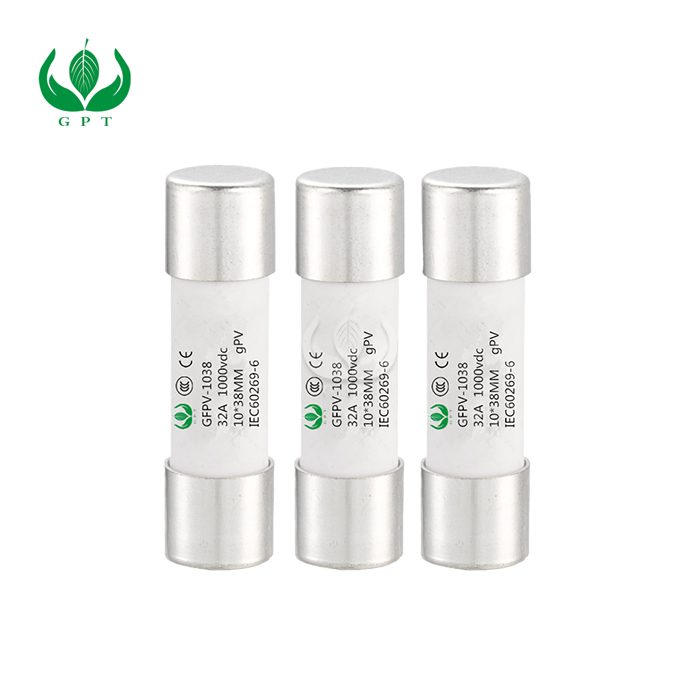
Most companies set minimum order amounts to make sure they can make enough of their products. Standard configurations, like the GFP-g-DC1000V series, usually need at least 5 to 50 pieces to be ordered, while custom specs may need hundreds of units. Knowing these limits helps buying teams plan orders well and avoid delays that were not expected.
Buying in bulk can often lead to big price cuts and better timing for production. Manufacturers may use tiered pricing to reward customers who make longer-term commitments, like those who are ready to sign yearly agreements or blanket orders with set release dates.
Lead Times and Planning Considerations
When stock is available at regional delivery centers, standard high speed semiconductor fuses usually ship within two to four weeks. Custom specifications or high-current ratings may make production take 8 to 12 weeks, especially during times of great demand. Problems in the supply chain or a lack of materials can make these deadlines much longer.
Successful buying teams keep a safety stock on hand for important uses while keeping inventory costs in check. Express manufacturing programs can often meet the needs of people who need new parts right away, but they usually charge more for them.
Company Introduction and Product Portfolio
The Xi'an Green Power Technology Co., Ltd. is a leader in semiconductor security innovation. They have over twenty years of experience designing and making high-voltage fuses. Our company was founded in 2016 and is strategically located in the Xi'an High-Tech Zone. It uses the vast research resources of China XD Group and Xi'an Jiaotong University to provide cutting-edge security solutions for the most demanding uses.
Advanced Product Lines and Technical Capabilities
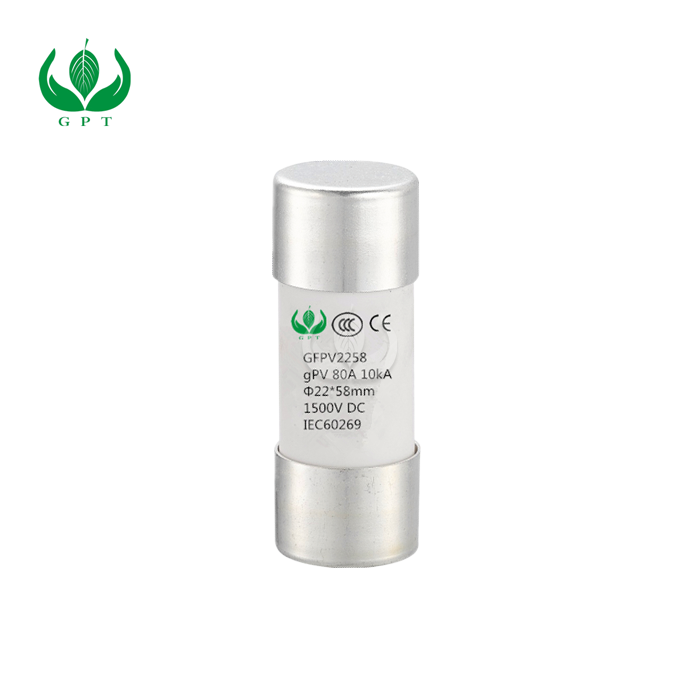
The GFP-g-DC1000V line, which is our most popular product, is the best high-speed semiconductor protection technology available. With reaction times of less than one millisecond, these devices can handle voltages of up to 1000V DC and 1250V AC. Current ratings range from 32A to 1200A, and custom configurations can go up to 2000A or more for specific needs.
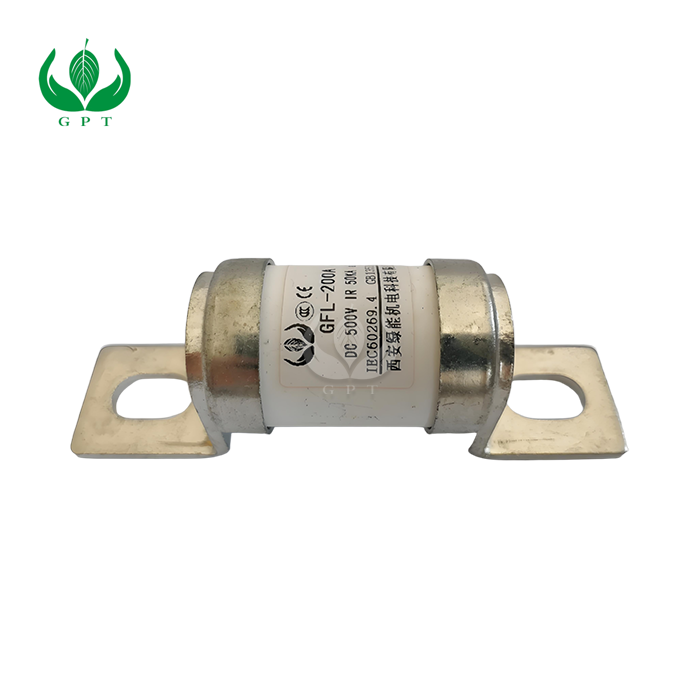
The aR-type protection feature makes these fuses perfect for use with semiconductors, giving great short-circuit protection while still being able to handle normal operating transients. Breaking powers of 100kA AC and 50kA DC make sure that faults are reliably stopped, even when things are very bad. It can work in temperatures ranging from -40°C to +125°C, so it can be used in a wide range of environments.
Our manufacturing methods use high-tech quality control measures, such as testing samples before they are made and following strict protocols for a 100% final inspection. Surge current simulations up to 50kA make sure the device works well in harsh conditions, and accelerated aging tests make sure it will last for a long time in important uses.
Customization Capabilities and Engineering Support
Because we know that each application has its own problems, we offer a wide range of customization services to meet the needs of each customer. Our technical team can change the ratings for current and voltage, find the best ways to arrange the terminals, and add different cooling methods, such as water- and air-cooled designs.
Standard configurations only require a minimum order number of 5 pieces, which makes them easy to test and use on a small scale without spending a lot of money. Custom specifications usually need higher quantities to cover the costs of tools and setup, but our flexible manufacturing method meets the needs of a wide range of customers well.
Certification Excellence and Global Compliance
A large collection of foreign certifications shows that we are dedicated to quality. With our IATF 16949 certification, we are one of only 12 fuse makers in China that meets the high quality standards needed for cars. Certifications like ISO 9001, CE, TUV, CCC, and RoHS let you sell your products all over the world and make sure you follow all the rules.
Following the rules set by IEC60269, ISO8820, JASO D622, and GB/T31465 guarantees compatibility with electricity systems around the world and car needs. These certifications show that we are committed to meeting the highest quality and safety standards that buyers around the world expect.
Conclusion
To choose the right high speed semiconductor fuse, you have to balance scientific needs with practical concerns about buying. To successfully set up a protection system, it's important to know the main differences between fuse technologies, check the skills of the supplier, and plan for any customizations that might be needed. Usually, the money spent on high-quality security devices pays off in the form of more reliable systems and lower upkeep costs. As power systems keep getting better at higher voltages and faster switching speeds, it will become even more important to have the right protection.
FAQ
What factors should I consider when selecting a high speed semiconductor fuse?
The most critical selection factors include voltage rating, current capacity, breaking capability, and response time requirements. Your application's normal operating current should be approximately 80% of the fuse's rated current to ensure reliable operation. The voltage rating must exceed your system's maximum operating voltage with appropriate safety margin. Breaking capacity should accommodate the maximum available fault current in your system.
How does response time impact system protection effectiveness?
Response time directly determines whether expensive semiconductors survive fault events. Modern power semiconductors can fail within microseconds during short-circuit conditions, making sub-millisecond fuse response essential. Slower fuses may interrupt the fault current but allow enough energy through to damage the protected device. Ultra-fast fuses like our GFP-g series respond in under 1ms, providing reliable protection for even the most sensitive components.
Can I customize fuse specifications for my specific application?
Yes, we offer comprehensive customization services including modified current ratings up to 2000A, adjusted voltage specifications, specialized terminal configurations, and integrated cooling solutions. Custom orders typically require minimum quantities ranging from 50-500 pieces depending on the modification complexity. Our engineering team works closely with customers to optimize fuse characteristics for specific application requirements.
What certifications should I look for in automotive applications?
Automotive applications require IATF 16949 certification as the foundation for quality assurance. Additional essential certifications include compliance with JASO D622 for Japanese automotive markets, ISO8820 for environmental performance, and relevant regional safety certifications like CE or UL recognition. RoHS compliance ensures environmental compatibility, while IEC60269 conformance provides global electrical standard compliance.
Partner with Green Power for Premium High Speed Semiconductor Fuse Solutions
When your applications demand the ultimate in semiconductor protection, Green Power delivers proven expertise and innovative solutions that exceed industry standards. Our comprehensive portfolio of ultra-fast protection devices combines cutting-edge technology with automotive-grade quality assurance, making us the preferred high speed semiconductor fuse supplier for global leaders in electric vehicles, renewable energy, and industrial automation.
Our technical team brings over 20 years of specialized experience to every project, offering customized solutions that address your specific protection challenges. Whether you need standard configurations or completely custom designs, we provide responsive engineering support and flexible manufacturing capabilities. With IATF 16949 certification and comprehensive global compliance, our products meet the most demanding automotive and industrial requirements.
Contact our experts today at fusemaker@163.com to discuss your protection requirements and discover how our high-speed semiconductor fuses can enhance your system reliability.
References
Institute of Electrical and Electronics Engineers. "IEEE Standard for High-Voltage Fuses - Part 1: Current-Limiting Fuses." IEEE Std C37.40-2013.
International Electrotechnical Commission. "Low-voltage fuses - Part 4: Supplementary requirements for fuse-links for the protection of semiconductor devices." IEC 60269-4:2009.
Society of Automotive Engineers. "Electrical/Electronic Component Environmental Test Specifications for Road Vehicles." SAE J1211-2012.
Bussmann Division Cooper Industries. "Semiconductor Protection Application Guide." Technical Publication SPG-2019.
Littelfuse Inc. "Application Guide: High-Speed Fuse Selection for Power Electronics." Engineering Bulletin APG-2020.
International Organization for Standardization. "Road vehicles - Functional safety - Part 6: Product development at the hardware level." ISO 26262-6:2018.