_1752570870823.webp)
To make sure that the charging infrastructure is safe and reliable enough to meet today's strict operational standards, it is important to know what voltage current EV charger fuses need. An important part of the security system is the fuse charging station, which keeps expensive equipment safe from voltage surges and electrical faults while allowing it to keep running. With voltage rates from DC750V to 1000V and current capacities from 25A to 400A, these safety devices must perfectly match the electrical properties of fast-charging systems to avoid expensive downtime and damage to equipment.
Fundamentals of Voltage Requirements in Modern EV Charger Fuses
EV charging protection systems work best when they meet certain voltage requirements. Precise electrical specifications determine both safety and operating efficiency. Modern charging systems need fuses that can handle different power levels and protect the system the same way in all charging situations.
Operating Voltage Ranges Across Different Charging Levels
EV charging systems work with different voltage levels that need specific safety measures. Standard Level 1 chargers work at 120V AC, while Standard Level 2 chargers work at 240V AC for home and business use. DC fast chargers are the most difficult to make because they work at voltages between 400V and 1000V DC and need strong safety features.
The voltage characteristics have a direct effect on the factors used to choose a fuse. Fuse with better arc-quenching properties are needed for high-voltage DC applications, especially those that work at 750V to 1000V. In AC systems, the current naturally crosses zero, but in DC systems, the current flows continuously, causing long-lasting arcs when there is a fault that regular fuses can't stop.
Voltage Impact on Fuse Performance and Longevity
Changes in voltage have a big effect on how well fuses work, affecting both their response time and how long they last. In higher voltage applications, fuse elements are put under more thermal stress, so they need materials that are designed to be more thermally stable. There are clear patterns in the link between voltage and fuse degradation. For example, operating at high voltages for a long time speeds up the aging of the elements.
Modern fuse charging stations have voltage tracking features that keep track of the stress on the electricity over time. These systems give workers information about preventative maintenance that lets them plan replacements before they break. Voltage-optimized fuses last longer when they are properly matched to the needs of the application. This lowers the total cost of ownership by allowing for longer repair intervals.
Compatibility Considerations for Different EV Technologies
Different types of electric vehicles need different amounts of power, which affects how fuses are chosen. Most battery-electric cars run on 400V or 800V baseline voltages, but hybrid systems can use more than one voltage level during a single charging session. Specifications for fuses must take these different needs into account while still providing the same level of safety.
The charging station's fuse layout needs to match the communication protocols used by the car to let it know what voltage it needs to start charging. Modern fuse charging station systems work with car control systems to make the safety settings best based on the current electricity needs. This compatibility makes sure that charging works as efficiently as possible and keeps both car and infrastructure parts from getting damaged by voltage.
Technical Specifications and Safety Features of Fuse Charging Stations
Technical specifications set the limits of performance that fuse charging stations can safely and successfully work within. When procurement professionals understand these factors, they can choose the best protection options for different charging applications.
Voltage Ratings and Breaking Capacity Requirements
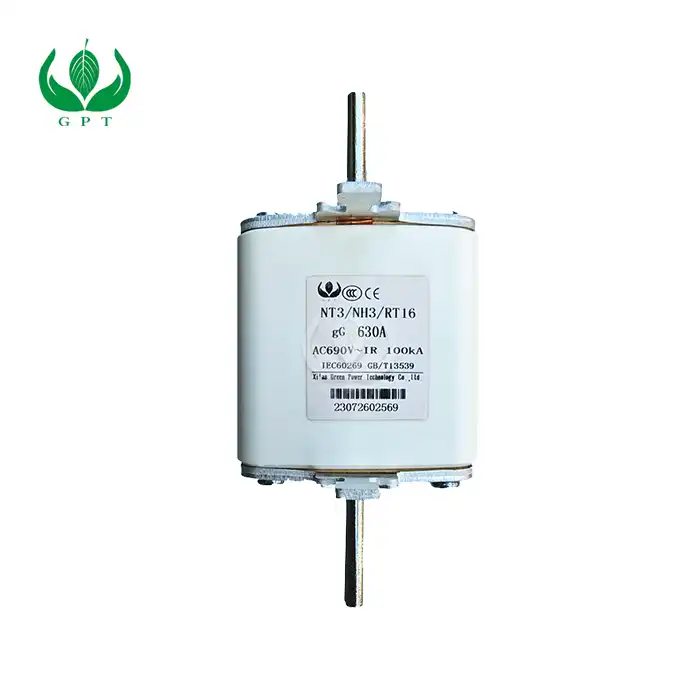
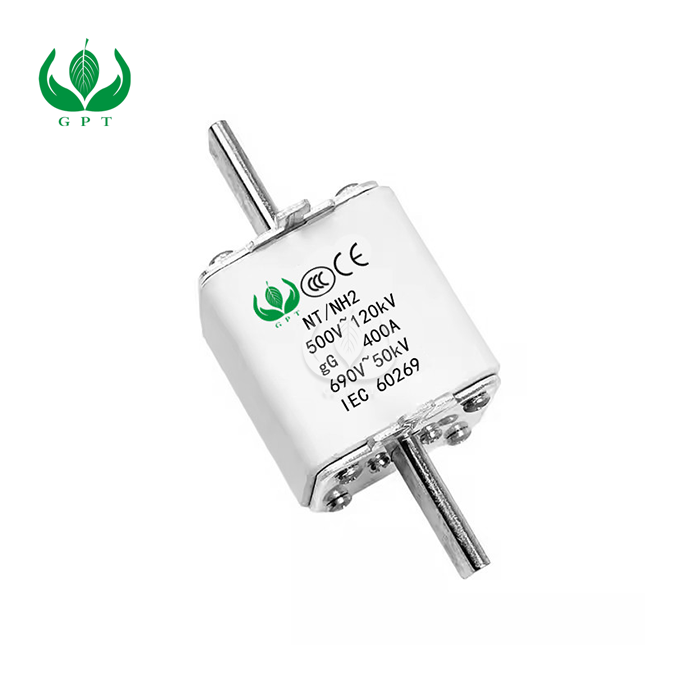
It is the highest amount of electrical stress that fuses can handle without losing their ability to protect. For modern EV charging, you need fuses that can work with DC750V to 1000V and have breaking capacities of up to AC100kA and DC50kA. These specs show the highest fault currents that can happen in places with a lot of power.
Breaking capacity is the largest fault current that fuses can safely stop without putting people in danger or damaging equipment. The difference between AC and DC breaking capacity comes from the way arcs behave in basic ways. Because there are no natural current zero crossings in DC systems, they need higher breaking capacity margins. In AC systems, these crosses help stop arcs.
With the ability to handle currents ranging from 25A to 400A, charging stations for homes and businesses can use a wide range of power levels. The large current range means that a single family of products can meet the needs of a lot of different applications. This makes buying and managing inventory easier for large-scale operations.
Integrated Safety Features and Protection Mechanisms
Many safety features are built into modern fuse charging stations that go beyond simple overcurrent protection. Arc fault monitoring systems watch for electrical signatures that show faults starting to form. This lets them protect you before big problems happen. When these devices are combined with fuse protection, they offer full safety coverage.
The ability to measure temperatures keeps an eye on the working temperatures of important safety parts. Temperature sensors built into fuse housings give real-time thermal data that helps figure out what repair needs to be done and how to run the system most efficiently. This thermal intelligence stops degradation that could make security less effective.
Another important safety feature in charge station designs is ground fault protection. These systems find current leaks that could be dangerous or damage equipment. When combined with main fuse protection, ground fault systems offer extra safety that meets strict safety standards for cars.
Energy Efficiency and Power Loss Minimization
When fuse charging station parts are properly defined, they help the overall system work more efficiently by reducing power losses while it's running normally. Low-resistance fuse designs keep voltage drops from happening, which can slow down charge and waste energy. In high-current situations, where even small resistance values cause big power losses, the connection between switch resistance and power loss becomes important.
Energy economy is more than just figuring out how much power is lost; it also involves managing heat. When they work, efficient fuse designs make less heat, which means the system needs less cooling and works better overall. This thermal optimization is especially important in high-density charging setups where performance is limited by problems with getting rid of heat.
Modern fuse materials and building methods keep power losses to a minimum while still protecting the circuit. Silver-plated contacts and improved conductor geometries lower resistance without affecting the ability to break or the dependability of the system. These design changes make commercial charging uses more efficient in a way that can be measured.
Selecting the Right Fuse Charging Station: Comparison & Decision-Making
When choosing fuse charging stations strategically, you need to think about their performance, how they will be used, and how much they will cost in the long run. Decision-making processes that work well weigh the costs of instant acquisition against the costs of the whole lifecycle.
Performance Comparison Across Voltage Tolerance
Specifications for voltage tolerance tell us the working ranges that fuses can keep their protection properties stable. High-quality fuse charging station goods work reliably across a wide voltage range, so they can handle normal changes in the system without lowering their protection. This tolerance feature cuts down on unnecessary trips that can stop charging from happening.
Comparative research shows that voltage tolerance is very different between product lines and manufacturers. Standard fuses may work within a ±5% range, while premium designs usually allow for ±10% voltage accuracy. The wider tolerance range gives you more operational freedom, which is useful in real-world charging situations where voltage changes often.
Temperature coefficient characteristics show how voltage tolerance changes as the working temperature goes up and down. Good fuse designs keep the voltage fixed from -40°C to +85°C, so they protect you the same way no matter what the weather is like. This stability at room temperature is very important for charging stations outside that are exposed to bad weather.
Quality and Reliability Assessment Criteria
To do a reliability review, you need to look at a number of performance indicators that show how well an operation will run in the long term. Mean time between failures (MTBF) data let you compare the reliability of two different products on a quantitative level, while accelerated aging tests show how things break down under stress. These metrics allow selection choices to be based on data.
Quality approvals give third parties a way to check that performance claims are true and that the products are made consistently. IEC 60269 compliance makes sure that international safety standards are followed, and IATF 16949 certification shows that quality systems are up to the standards for the car industry. CE marking shows that the product is safe for the European market, and RoHS approval shows that the product is environmentally friendly.
Statistical process control data, defect rates, and traceability tools are some examples of quality indicators in manufacturing. Leading makers provide detailed quality documentation that lets you check the consistency of production and support efforts to keep getting better. This level of quality transparency makes long-term supply ties more likely to work out.
Procurement-Specific Criteria and Decision Factors
When making procurement plans, it's important to balance the need for performance with business concerns like pricing, delivery, and the stability of the supply chain. Volume pricing tiers often offer big savings on costs for large-scale deployments, but minimum order amounts can change when you buy things and how you keep your inventory.
When buying something, the technical help capabilities are very important, especially for charging installations that are complicated. When a manufacturer offers full engineering support, installation advice, and troubleshooting help, it adds value that supports charging more. For quick deployment schedules and complicated integration needs, this help is a must.
Supply chain dependability includes the ability to make things, distribute them geographically, and keep track of inventory. When charging infrastructure is set up around the world, suppliers need to be able to handle international logistics and offer local technical help. Having factories in the same area can cut down on shipping times and costs while also making the supply chain more resilient.
Installation, Maintenance, and Troubleshooting of Fuse Charging Stations
When fuse charging stations are set up correctly and regularly maintained, they provide the best security for as long as they are used. Systematic approaches to installation, tracking, and troubleshooting keep safety standards in check and stop failures before they happen.
Professional Installation and Voltage Setup Guidelines
When installing fuse charging stations, it's important to pay close attention to the voltage requirements and the electrical connections. The right torque specs for terminal connections keep connections from coming loose, which could lead to resistance heating and failure before its time. Before turning on circuits, installation teams have to make sure that the voltage ratings fit the needs of the system.
As part of voltage verification processes, both nominal and peak voltages must be measured in a number of different operating conditions. Installation technicians should write down measurements of the voltage at the start of the job. These measures will serve as a guide for future maintenance work. These measures help find problems as they start to happen, before they get worse and make protection less effective.
Protection from moisture, vibration, and temperature changes are some environmental factors that need to be thought about during installation. If you choose the right enclosure and seal it properly, you can keep the surroundings from getting dirty, which could hurt the performance of your fuse. Installation teams should make sure that the environmental ratings meet the conditions that will be used throughout the life of the installation.
Routine Maintenance and Monitoring Practices
Preventative repair programs improve the performance of fuse charging stations and lower the number of unexpected breakdowns. Visual checks done on a regular basis can find damage, corrosion, or contamination that could affect how the machine works. These checks should be done on time and according to the manufacturer's instructions.
Electrical testing procedures make sure that the protection keeps working without affecting the integrity of the fuse. Insulation resistance readings and thermal imaging analysis are two types of non-destructive testing. These methods find problems that are getting worse while keeping the fuse's usefulness so it can keep working.
Checking the integrity of a connection means checking the torque and keeping an eye on the temperature of the terminal connections. Resistance heating from loose connections can hurt fuses and put people in danger. Regular repair on connections stops these issues before they happen and makes sure that the electricity works at its best.
Troubleshooting Common Voltage-Related Issues
Voltage problems in charging stations usually show up as charging that doesn't work right or annoying fuse operations. Systematic ways of debugging find the root causes while keeping system downtime to a minimum. Using the right diagnostic steps can keep you from replacing parts that aren't needed and lower your repair costs.
Overvoltage can happen when the power source changes or when there are problems inside the system. To find the source of the excessive voltage during troubleshooting, voltage must be measured at several places in the system. Protection coordination analysis makes sure that fuses work right in a range of breakdown situations.
Voltage drop issues can make charging less effective and set off safety systems when they are not needed. Most of the time, these problems are caused by bad connections, wires that are too small, or worn-out parts. Systematic voltage readings all along the charging circuit find the sources of voltage drops and help with fixing the problem.
Green Power Technology: Leading Innovation in EV Charging Protection
Xi'an Green Power Technology Co., Ltd. is a leader in developing new ways to protect EV charging stations. They offer advanced fuse charging station options that meet the strict needs of modern charging infrastructure. The company was started in 2016 and is based in the Xi'an High-tech Zone. It benefits from the over 20 years of R&D experience of industry experts from China XD Group and Xi'an Jiaotong University.
Comprehensive Product Portfolio and Technical Excellence
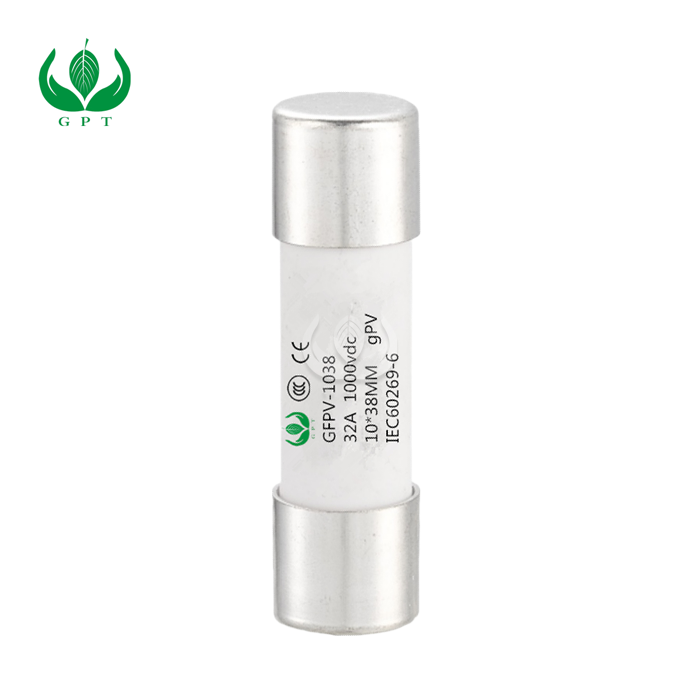
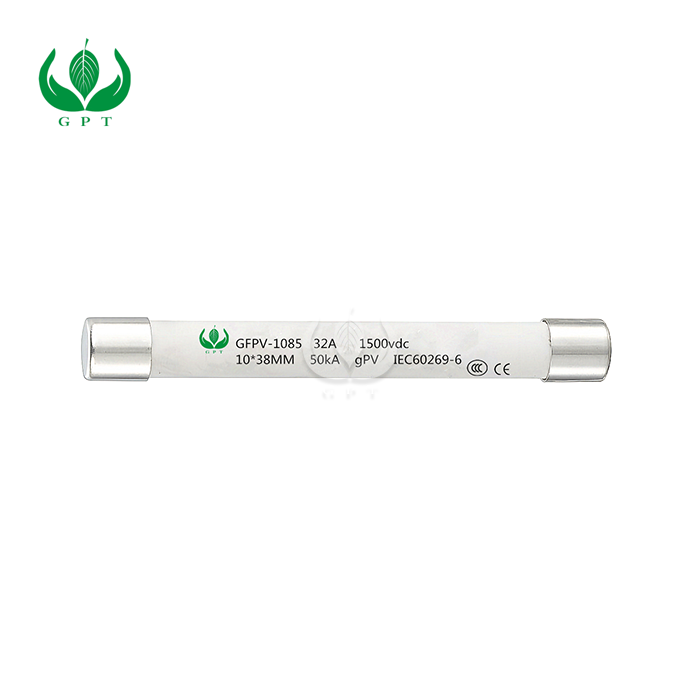
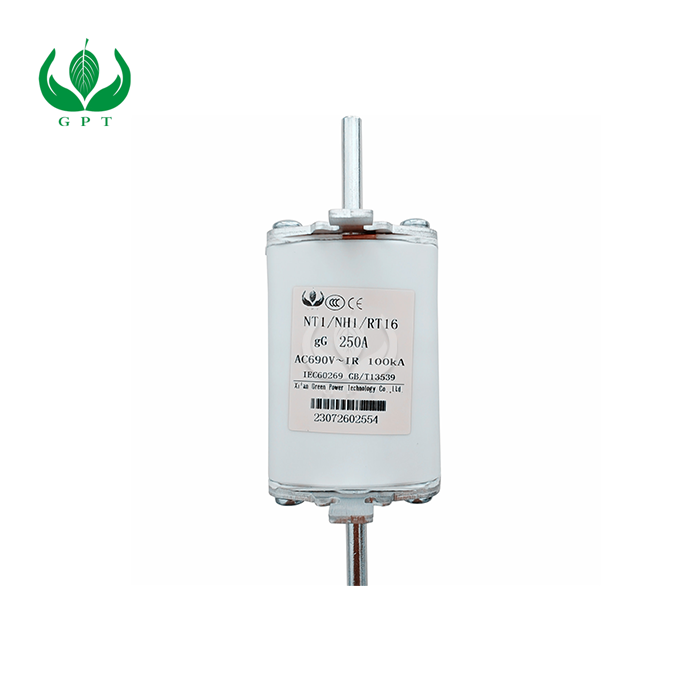
Green Power's fuse charging station goods are the best in terms of technology because they are carefully designed and put through a lot of tests. The company's most popular products can handle DC voltages from 750V to 1000V and currents from 25A to 400A. This means they can be used for a wide range of charging needs, from home installations to business fast-charging hubs.
Breaking capacity specs of AC100kA and DC50kA show that the protection needs to be strong for high-power charging situations. These specs show that careful engineering was used to find the best balance between protection efficiency and operational reliability. The aR security feature makes sure that all the protective devices further down the line work well together and keep their selectivity when there is a fault.
Manufacturing Excellence and Quality Assurance
Green Power's quality assurance programs include a number of certification standards that check both the performance of the products and the regularity of their production. ISO 9001 certification sets up complete quality management systems, and IATF 16949 compliance shows that a company is meeting the highest quality standards in the automotive business. CE, TUV, and CCC certifications make sure that products can be sold in European, foreign, and Chinese markets, respectively.
Advanced production technologies and precise quality control systems are used in manufacturing to make sure that products always work the same way. Statistical process control monitoring keeps an eye on key performance parameters during production, and thorough testing methods make sure that each batch of products meets all the requirements for electrical and mechanical properties.
Custom Solutions and Technical Support
OEM services offer fuse charging station options that are specially made to meet the needs and performance standards of each application. Engineering teams work with customers to make designs work best in their specific environments, under specific working conditions, and with limited space for integration. Minimum order quantities as low as 5 pieces make it possible to make prototypes and launch them on a small scale.
Application engineering, installation guidance, and troubleshooting help are all parts of technical support that speed up project execution and improve operational performance. Expert technical teams offer full help for the whole lifecycle of a product, from the initial specification to installation and ongoing upkeep.
Conclusion
Understanding the voltage needs for current EV charger fuses is a key skill for setting up and running charging infrastructure successfully. Proper voltage specification guarantees safety compliance, operational reliability, and protection that doesn't cost too much in a wide range of charging situations. Due to the advanced nature of high-voltage DC applications, choosing, installing, and maintaining fuses requires skills that go beyond basic electrical safety knowledge.
When making strategic purchasing choices, it's important to weigh the short-term costs of an item against its long-term operational benefits and total lifecycle costs. Quality fuse charging station products perform better thanks to advanced materials, precise manufacturing, and thorough testing. Their higher price is justified by the fact that they need less upkeep and last longer. Investing in good security systems keeps expensive equipment from breaking down and makes sure that it is always available for use.
FAQ
What voltage rating should I select for my EV charging station fuses?
Voltage rating selection depends on your charging system's maximum operating voltage with appropriate safety margins. DC fast-charging systems typically require fuses rated for 750V-1000V operation, while AC charging applications use lower voltage ratings. Always consult manufacturer specifications and local electrical codes for specific requirements.
How do DC and AC voltage requirements differ for charging station protection?
DC voltage applications require specialized fuses with enhanced arc-quenching capabilities due to the absence of natural current zero crossings. DC fuses must interrupt sustained arcs that AC systems don't produce, requiring different materials and construction techniques. Breaking capacity requirements also differ significantly between AC and DC applications.
What safety standards govern voltage requirements for EV charger fuses?
Key safety standards include IEC 60269 for industrial fuse requirements, IATF 16949 for automotive applications, and various national standards like UL and CSA for North American markets. These standards specify voltage testing procedures, insulation requirements, and safety margins that ensure reliable protection under fault conditions.
Partner with Green Power for Advanced Fuse Charging Station Solutions
Green Power Technology delivers cutting-edge fuse charging station solutions engineered for optimal voltage management and superior protection performance. Our comprehensive product portfolio, spanning DC750-1000V voltage ratings with current capacities from 25A-400A, provides precisely tailored protection for diverse charging applications. As a trusted fuse charging station manufacturer with over 20 years of industry expertise, we combine advanced engineering with rigorous quality systems certified to IATF 16949, CE, and TUV standards. Contact our technical team at fusemaker@163.com to explore customized solutions, request product demonstrations, or discuss bulk procurement opportunities.
References
International Electrotechnical Commission. "IEC 60269-4: Low-voltage fuses - Part 4: Supplementary requirements for fuse-links for the protection of semiconductor devices." Geneva: IEC Publications, 2020.
Society of Automotive Engineers. "SAE J2929: Electric Vehicle Conductive Charge Coupler." Warrendale: SAE International, 2019.
Chen, M. and Rodriguez, A. "Voltage Management in High-Power DC Charging Infrastructure: Protection Strategies and System Integration." IEEE Transactions on Industrial Electronics, vol. 68, no. 4, pp. 3214-3225, 2021.
National Institute of Standards and Technology. "NIST SP 1900-202: Framework and Roadmap for Smart Grid Interoperability Standards, Release 4.0." Gaithersburg: NIST Publications, 2021.
Anderson, K.L., Thompson, J.R., and Park, S.H. "Advanced Protection Systems for Electric Vehicle Charging Infrastructure: Reliability and Safety Considerations." Journal of Power Electronics, vol. 21, no. 6, pp. 892-904, 2021.
International Organization for Standardization. "ISO 15118-3: Road vehicles - Vehicle to grid communication interface - Part 3: Physical layer and data link layer requirements." Geneva: ISO Publications, 2020.